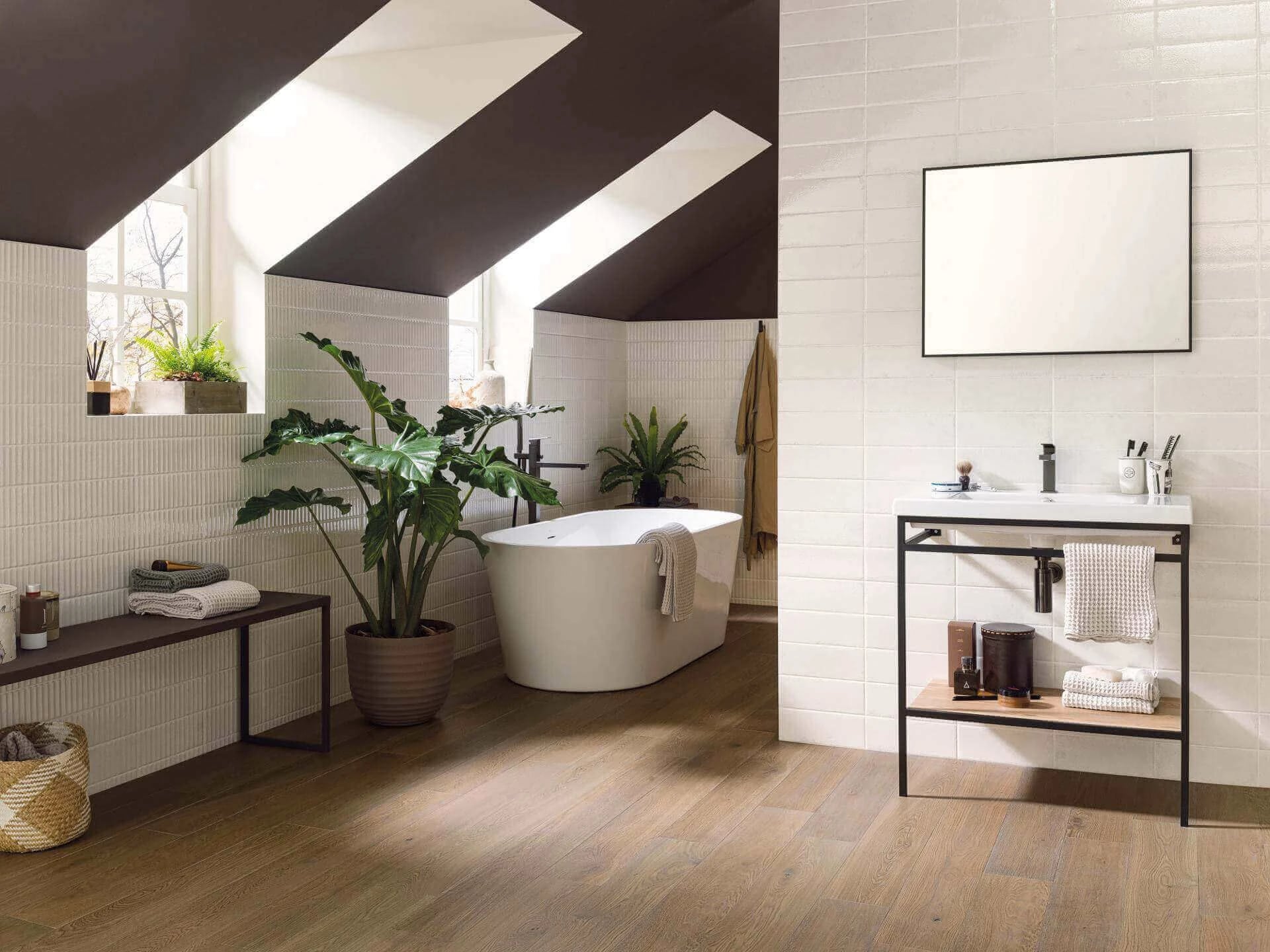
Bathroom tiles explained: porcelain, ceramic or natural stone
Tiles make up more of a bathroom's visual impact than almost any other choice, and yet most people pick them on looks alone without knowing what they are actually buying. The difference between porcelain, ceramic and natural stone is not just price, it affects maintenance, durability and how the room ages. Here is what our showroom team wants every customer to know before they choose.
It is not about which tile is best, it is about where it is going
The most common misconception our team comes across is that porcelain is simply the best tile because it is the strongest. Strength is not really the deciding factor. What matters far more is placement, choosing the right tile for the right part of the room, rather than assuming one material beats the others everywhere.
Porcelain is the most versatile of the three, strong enough to be used on walls, floors, and often outside too. Ceramic tends to be reserved for walls, since it does not have the same strength for flooring. Natural stone can be used on both walls and floors, but it comes with a maintenance requirement the other two simply do not.
| Tile | Where it works | Upkeep |
|---|---|---|
| Porcelain | Walls, floors and often outside | Low: forgiving of everyday cleaning |
| Ceramic | Usually walls only | Low: forgiving of everyday cleaning |
| Natural stone (marble, travertine, limestone) | Walls and floors, but hard work in constantly wet areas | High: sealing, careful cleaning products and regular upkeep |
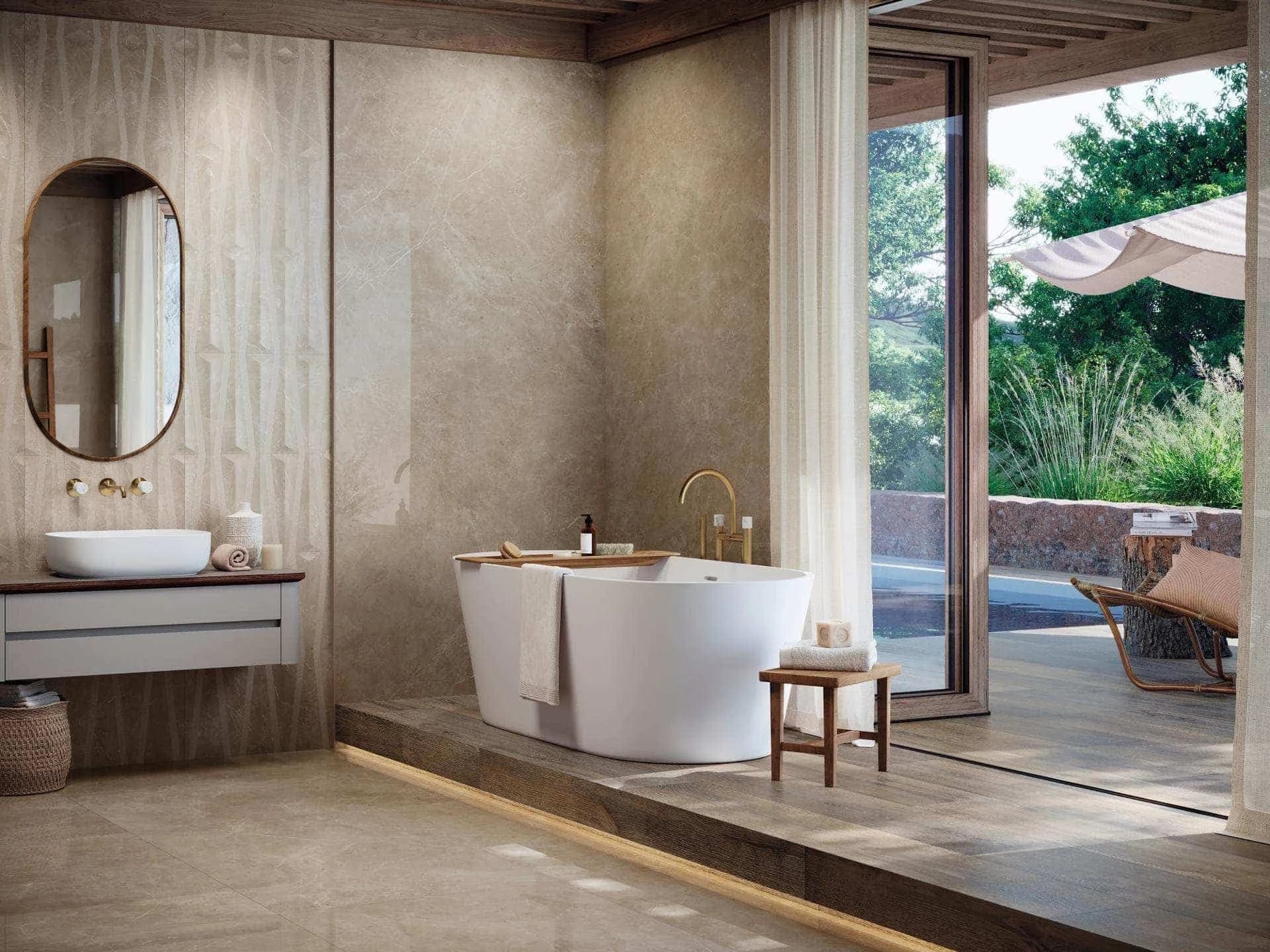
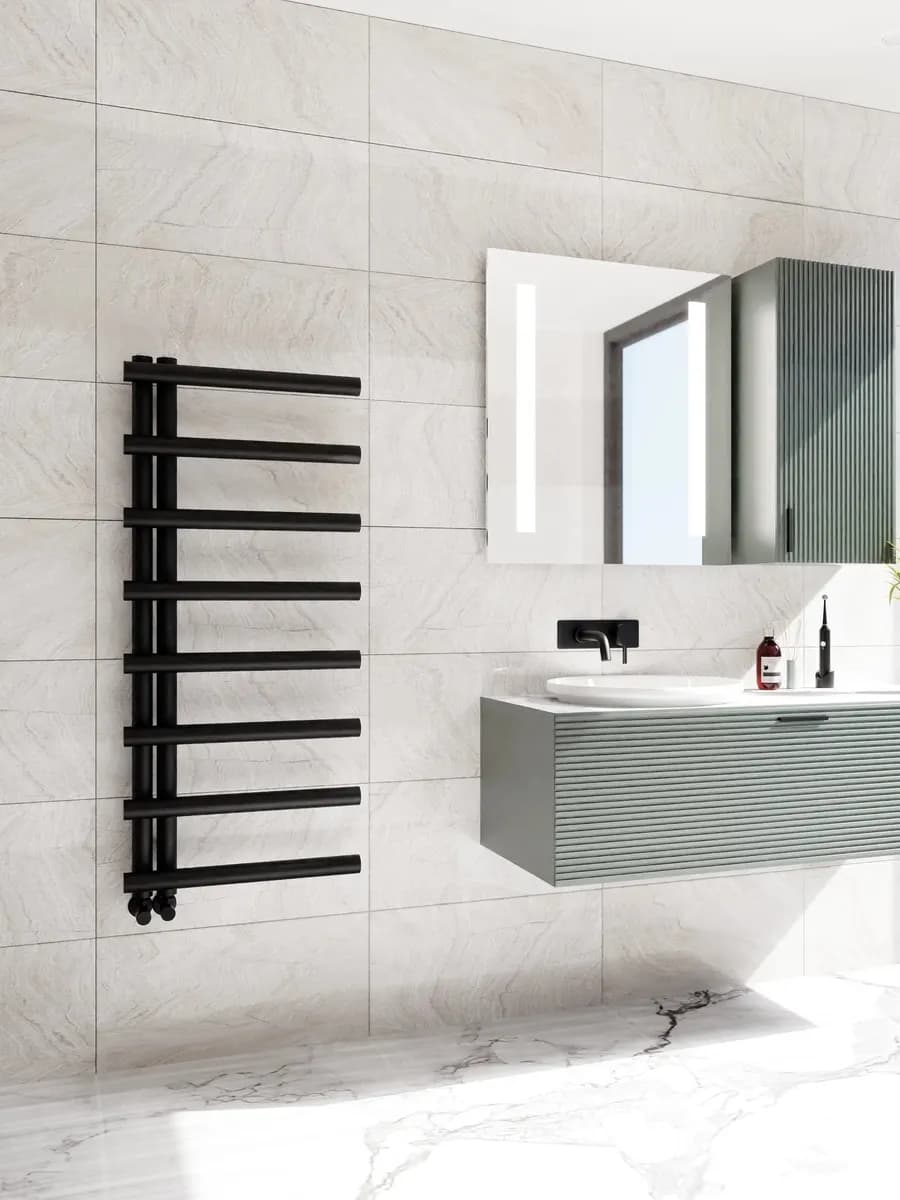
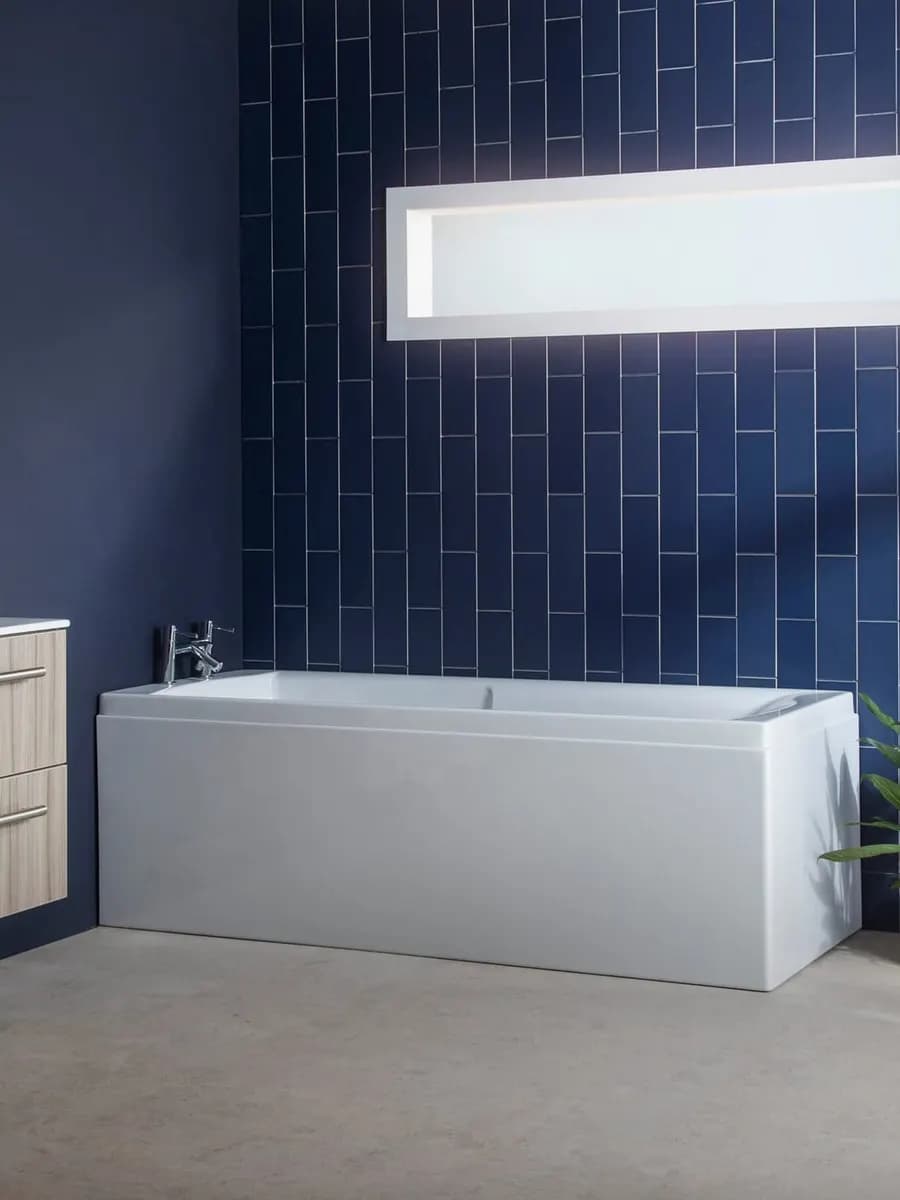
Tiles can really give your bathroom the WOW factor! If you're looking for tile inspiration, you can browse tiled bathroom ideas from the brands we stock to see how each material looks in a finished room. There's also the ability to store your choices so you can easily reference them in the future.
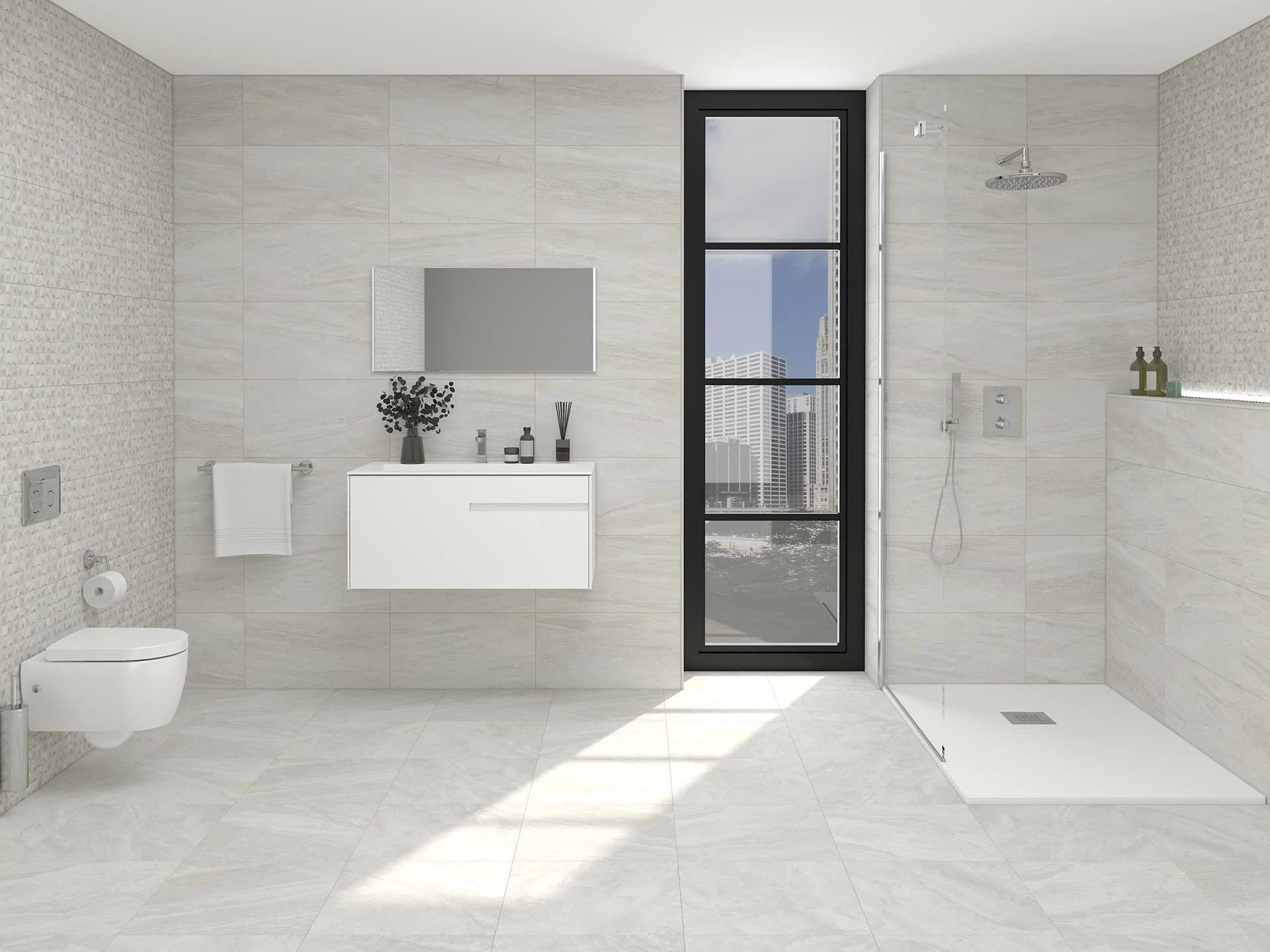
Where natural stone becomes hard work
Natural stone such as marble or travertine is one of the most common regrets our team hears about, and it almost always comes down to maintenance. It looks stunning in a showroom and in the early months of ownership, but keeping it looking that way in a bathroom, which is a constantly wet environment, takes real ongoing effort. Sealing, careful cleaning products, and regular upkeep all become part of daily life with a natural stone bathroom in a way they simply are not with porcelain or ceramic.
How much of the room actually needs tiling
Tiles do not wear out in daily use, so the real decision is not which material lasts longest, it is how much of the room genuinely needs to be tiled. A low use guest bathroom might only need the shower area and splashbacks tiled, since the rest of the room sees very little wear regardless. A main family bathroom, on the other hand, tends to benefit from tiling the full room, which keeps it close to maintenance free rather than leaving painted or exposed surfaces that need more regular attention.
What actually changes as tiles get older
Tiles themselves do not really age in the way other bathroom products do, they do not wear out or deteriorate with use the way a tap or a shower fitting might. What does change is fashion. The bolder or more of the moment a tile design is when it is chosen, the more likely it is to feel dated a few years down the line. A more restrained or classic choice tends to hold its appeal for far longer, which is worth factoring in for anyone planning to stay in a property for a good number of years.
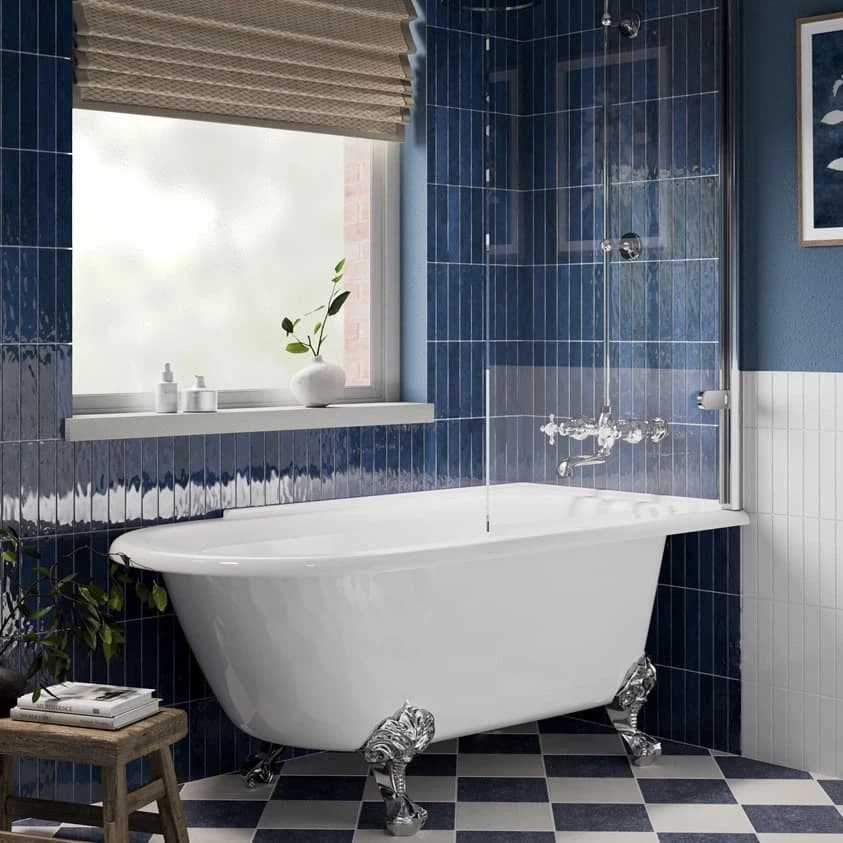
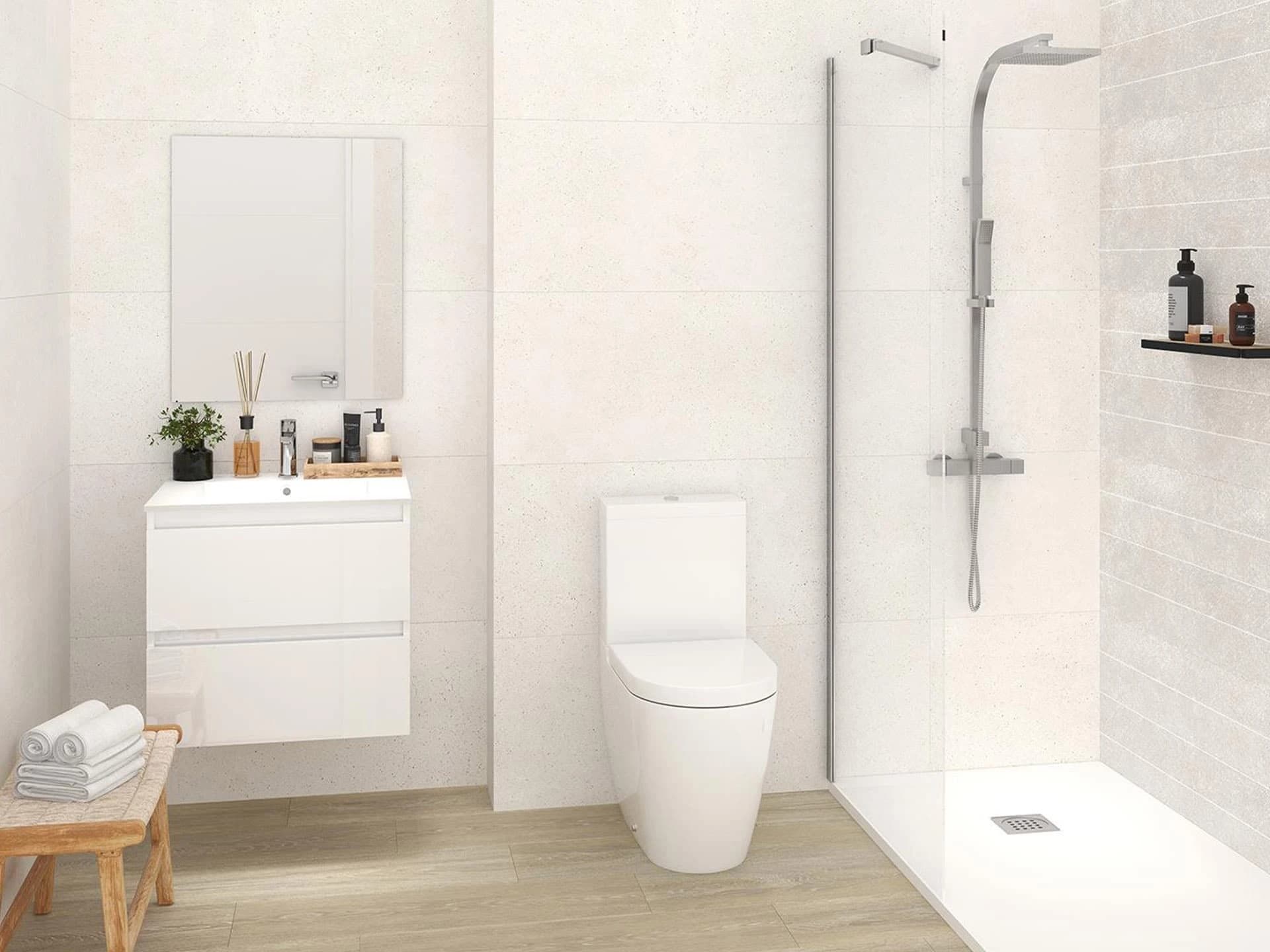
Grout is a different story, and it is worth being honest about that. Unlike the tile itself, grout is porous, and in a bathroom it is constantly exposed to moisture, soap and shampoo residue. Left unsealed or uncared for, it can darken, discolour or grow mould over time, even when the tiles either side of it still look brand new. Sealing grout properly when it is fitted, and resealing it every so often, keeps this in check and is a genuinely worthwhile bit of upkeep regardless of which tile material is chosen.
Does cleaning product choice actually matter
Yes, more than most people realise, and it varies a great deal by tile type. Porcelain and ceramic are both fairly forgiving of everyday cleaning, but strong acidic or bleach based products can still discolour grout lines over time and, on some glazed finishes, gradually dull the surface. Abrasive scouring pads or powders are best avoided too, since they can scratch a glazed finish permanently.
Warning:
Natural stone and acidic cleaners
Natural stone is far less forgiving. Marble, travertine and limestone in particular react badly to acidic cleaners, including common household products like vinegar and lemon based sprays. Rather than staining, which can sometimes be lifted, an acidic cleaner etches the surface of the stone itself, leaving a dull mark that cannot be cleaned away and can only be fixed by professional refinishing. A neutral pH cleaner, specifically intended for natural stone, is the safer everyday choice, alongside prompt clean-up of any spills before they have a chance to sit on the surface.
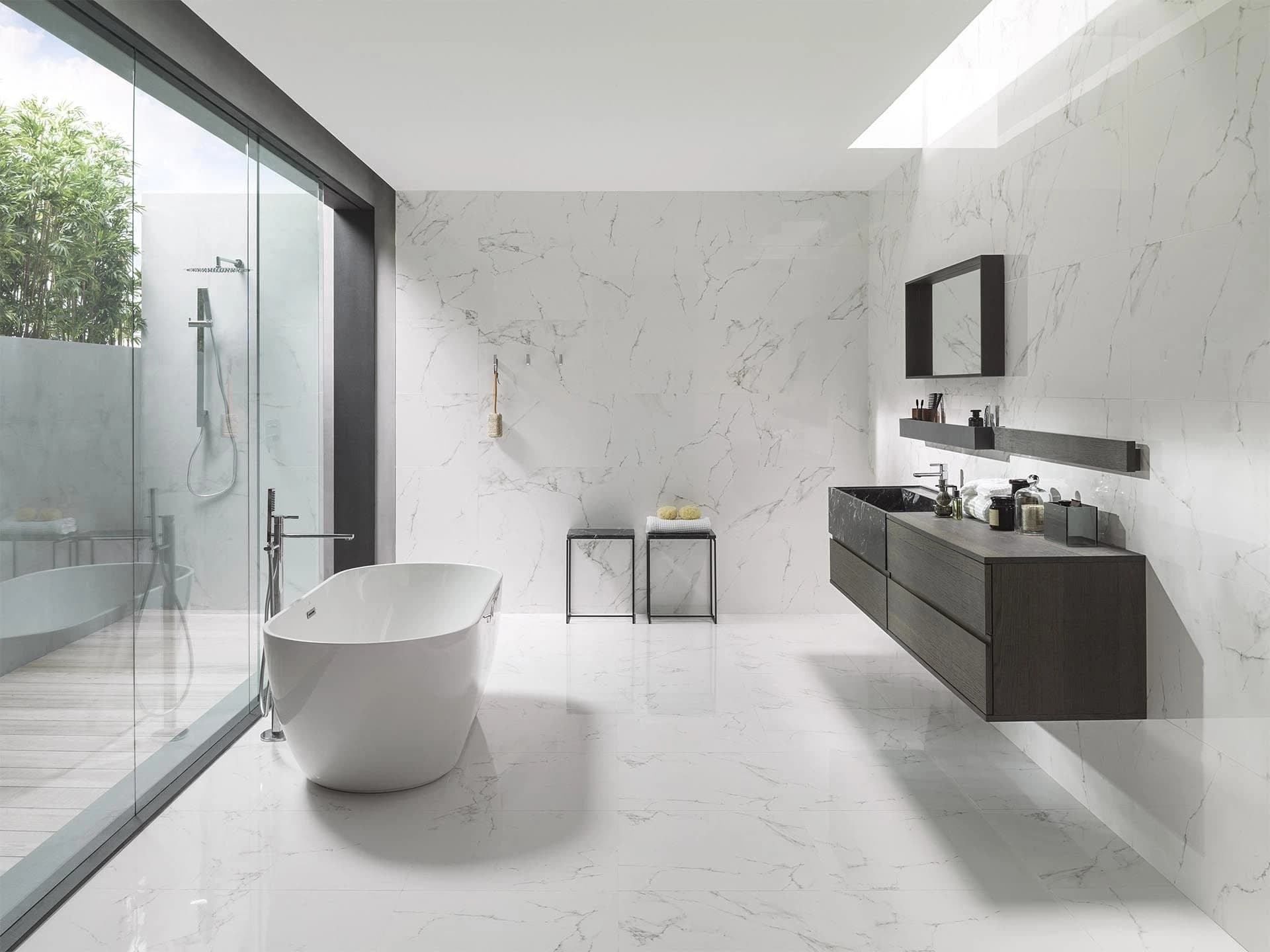
It's not that porcelain is simply the best because it's the strongest, it's really all about placement for where the tiles work best. Ceramic is usually only for walls due to its strength, but porcelain is the most versatile as it can be used on walls, floors and often outside.
Quick answers
Is porcelain always better than ceramic or natural stone?
Not necessarily. Porcelain is the most versatile of the three and can be used on walls, floors and outdoor spaces, but the right choice depends on where in the bathroom it is being used, not on one material being universally superior.
Can ceramic tiles be used on a bathroom floor?
Generally no. Ceramic tiles are usually reserved for walls, since they do not have the strength for flooring in the way porcelain does.
Is natural stone a good choice for a bathroom?
It can look beautiful, but it needs far more upkeep than porcelain or ceramic, including regular sealing and careful cleaning, and is particularly high maintenance in constantly wet areas like a shower.
Do bathroom tiles need replacing over time?
Tiles do not wear out through daily use the way other bathroom products do. The main reason people replace them is style rather than performance, bolder or trend led designs tend to date faster than more classic choices.
Does grout need maintaining even if the tiles look fine?
Yes. Grout is porous and constantly exposed to moisture, so it can darken or grow mould over time even when the tiles either side still look new. Sealing it properly and resealing periodically keeps it looking as good as the tiles around it.
Can I use any cleaning product on bathroom tiles?
Not always. Porcelain and ceramic tolerate everyday cleaning well, though harsh acidic or bleach based products can discolour grout over time. Natural stone is far more sensitive, acidic cleaners like vinegar or lemon based sprays can permanently etch and dull marble, travertine and limestone, so a neutral pH stone cleaner is the safer choice.
Do I need to tile the whole bathroom?
Not always. A low use guest bathroom can often get away with tiling just the shower area and splashbacks, while a busy main bathroom benefits from being fully tiled, which keeps it close to maintenance free.
Get inspired
Get the look

More advice from our showrooms
Product Guides
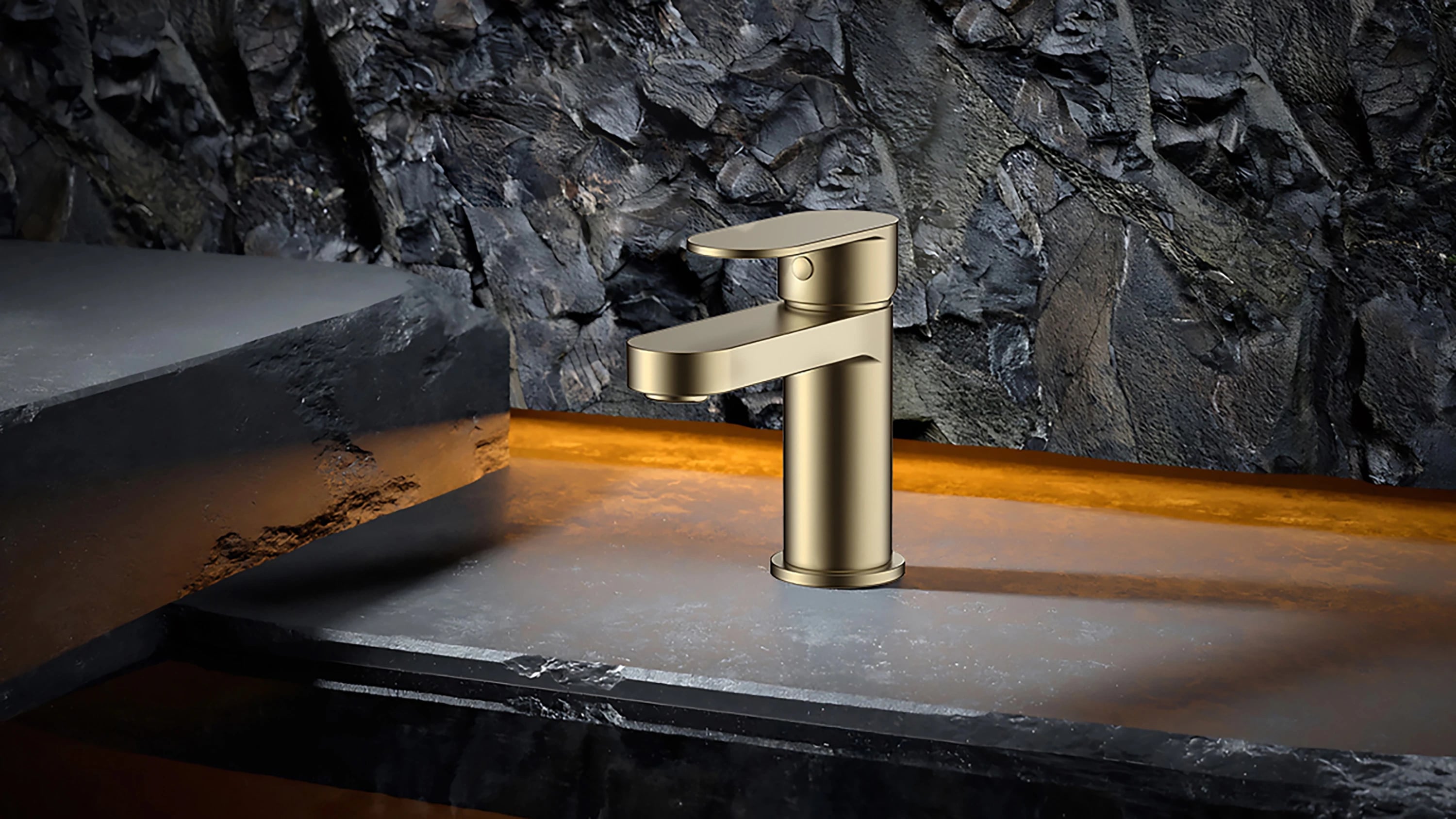
A straight-talking guide to bathroom taps and mixers
What really separates a budget tap from a premium one, how water pressure and hard water change your choice, and which features are worth paying for.
Bathroom Planning
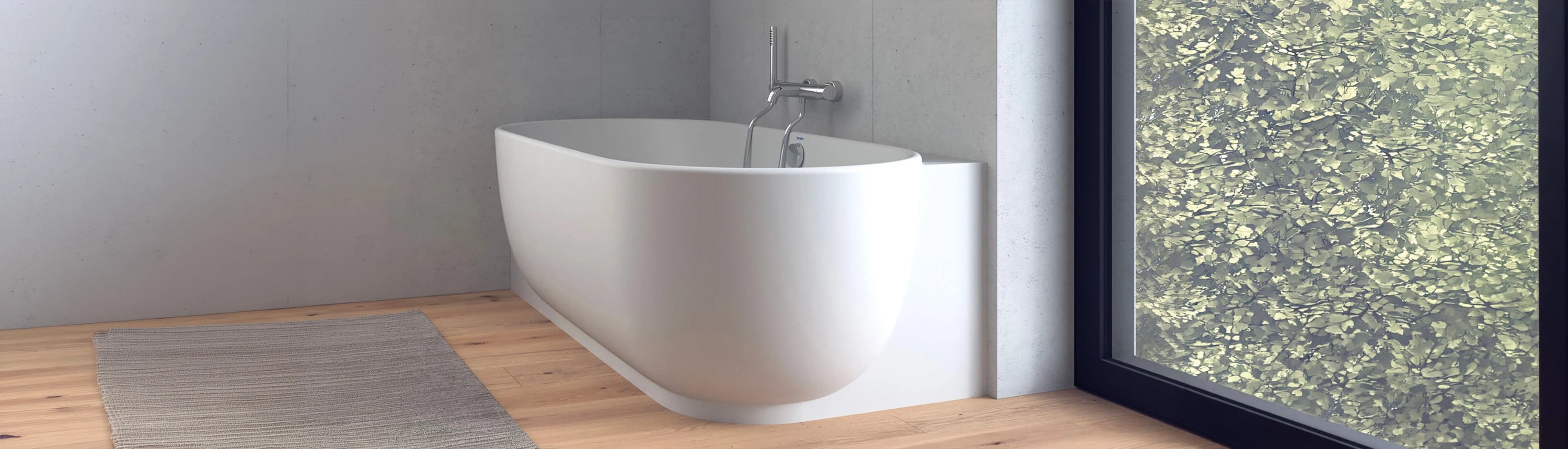
How to choose the right size bath for a small bathroom
A bath that looks perfect in a showroom can dominate a small room. How to get the proportions right, from door swing to shapes beyond the standard rectangle.
Showroom Advice
Everything we want you to feel confident about before your design appointment
Budget, quotes, timescales and who fits your bathroom: what our designers want you to know before your first bathroom design appointment.