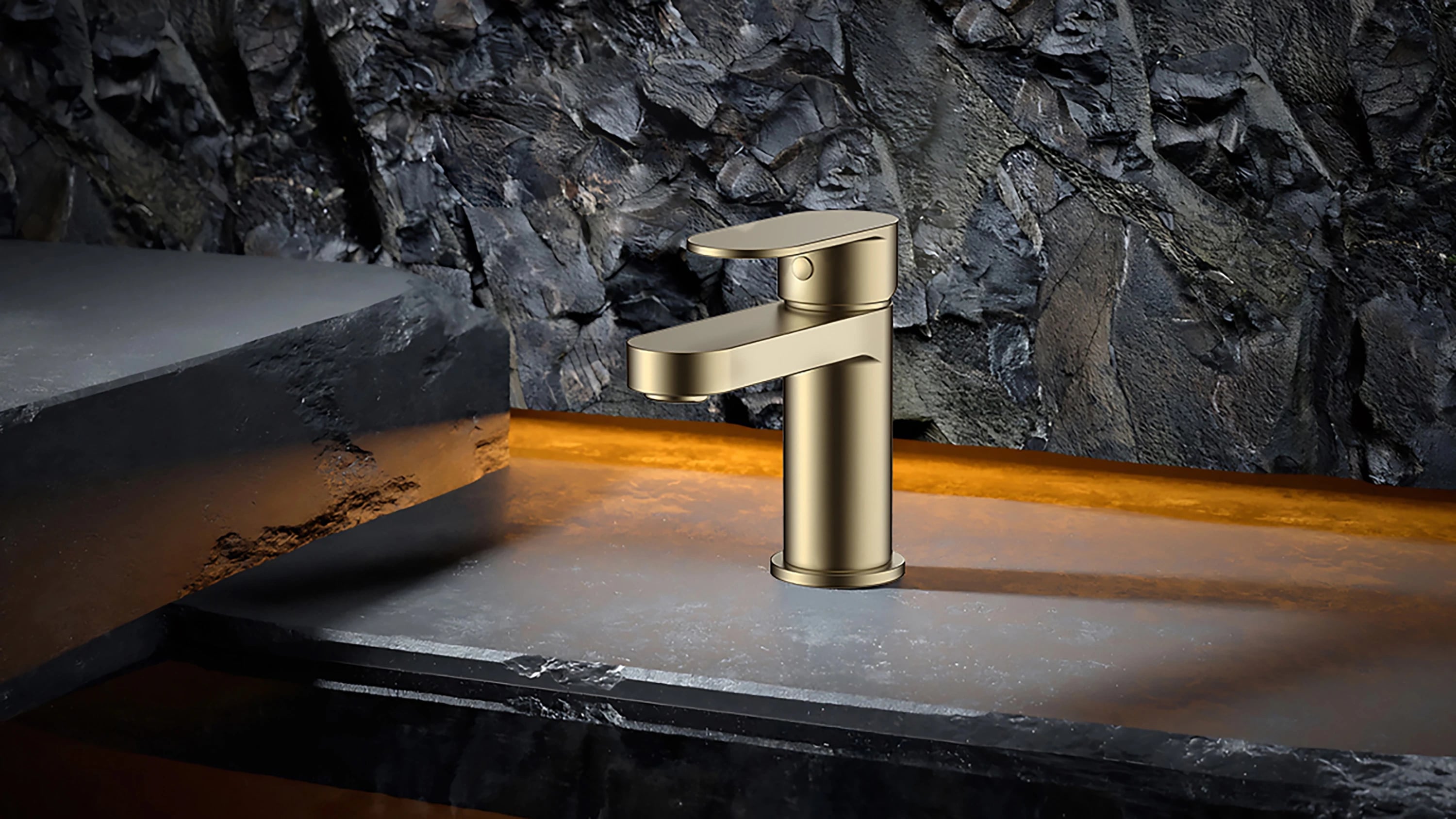
A straight-talking guide to bathroom taps and mixers
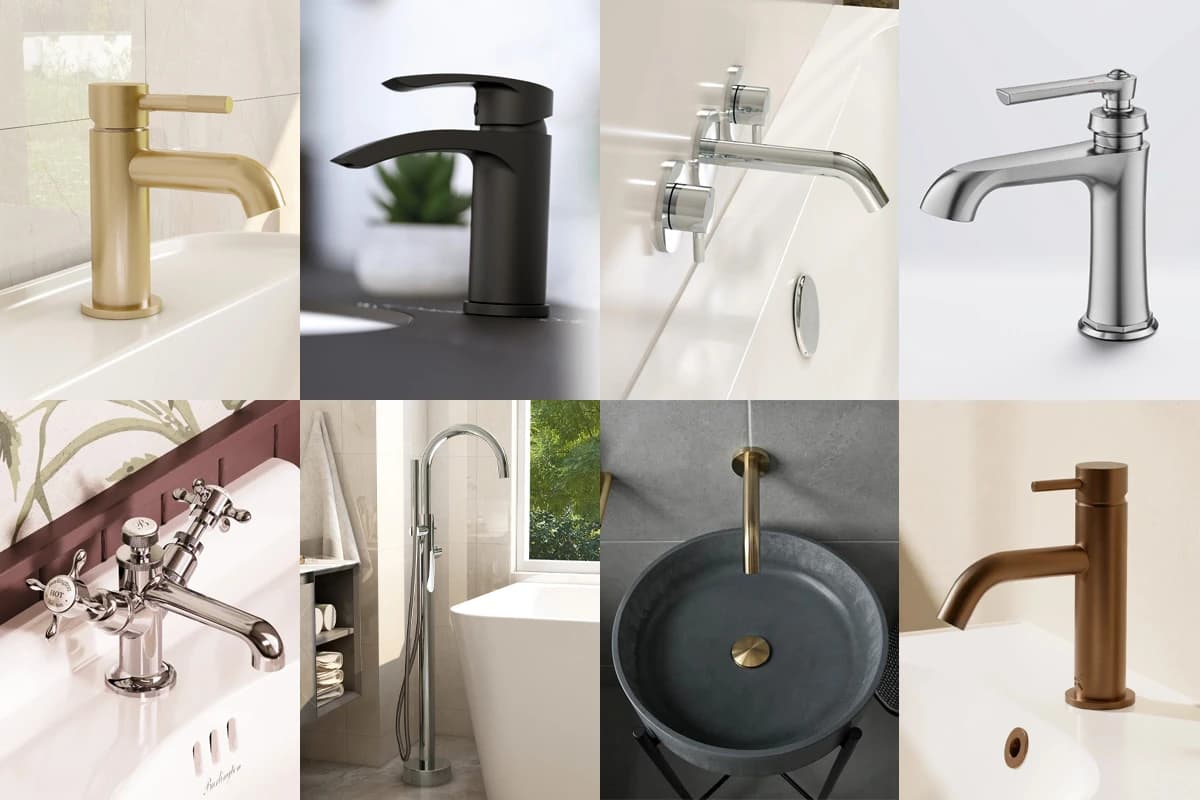
Walk down a taps aisle and the choice is overwhelming, chrome, brushed brass, matt black, single lever, cross head, wall mounted, and every finish comes with a different price tag and a different set of practical trade offs. Most of the differences that matter have nothing to do with looks. Here is what is actually worth paying attention to before you choose.
What actually separates a budget tap from a premium one
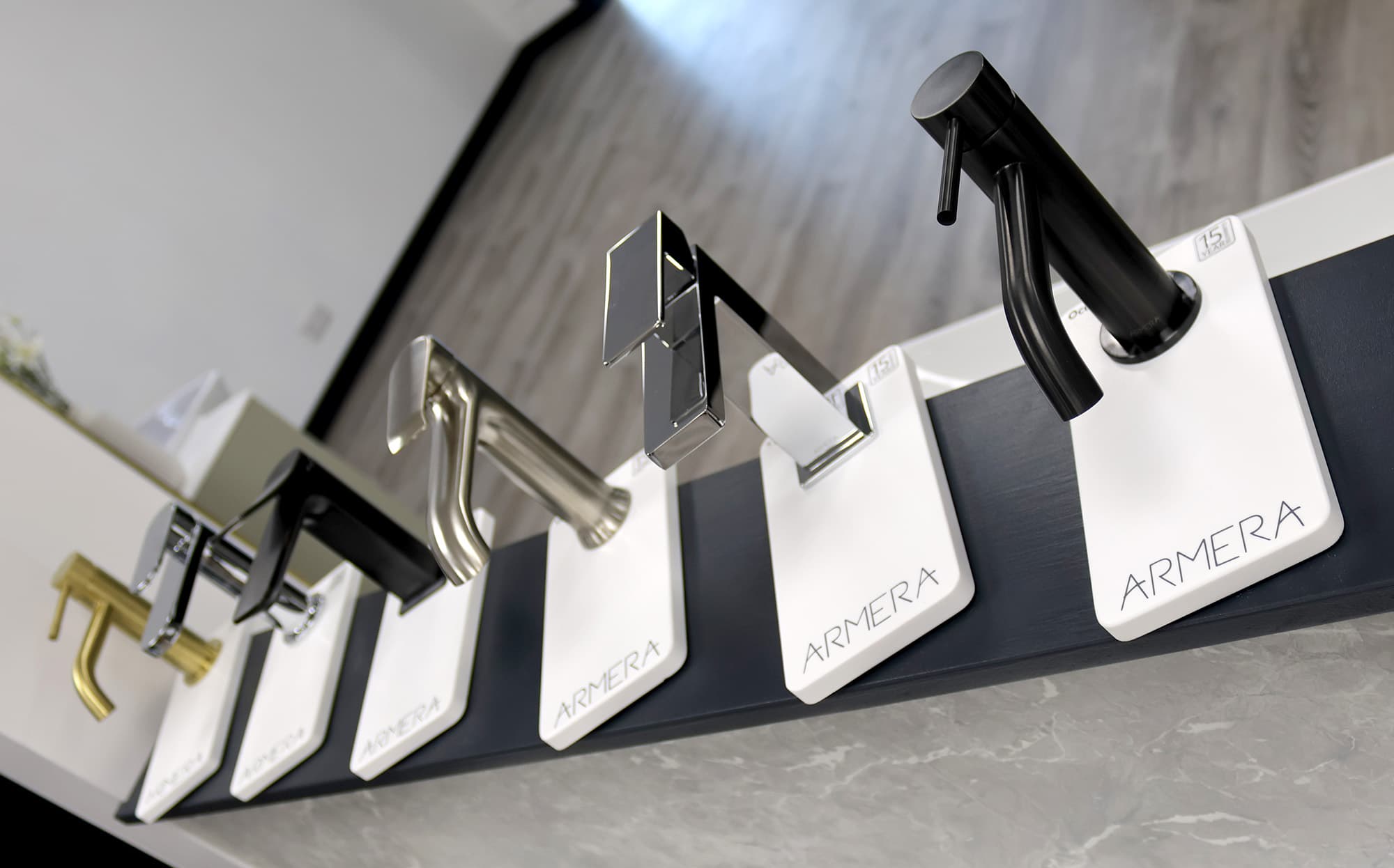
The difference is rarely visible on the shelf. According to our showroom team, the real gap between a budget tap and a premium one comes down to the internal workings, how durable the mechanism is, how well any colour finish is applied so it does not wear or chip, and the level of warranty and aftercare that comes with it. A more established brand also tends to be far easier to deal with if something needs attention later, and spare parts are usually easier to source.
That last point matters more than it sounds. A tap is one of the few bathroom products used multiple times a day, every day, for years. When a washer or cartridge eventually needs replacing, a well supported brand with available spare parts saves a full replacement further down the line.
Wall mounted or deck mounted, check before you fall in love with a look
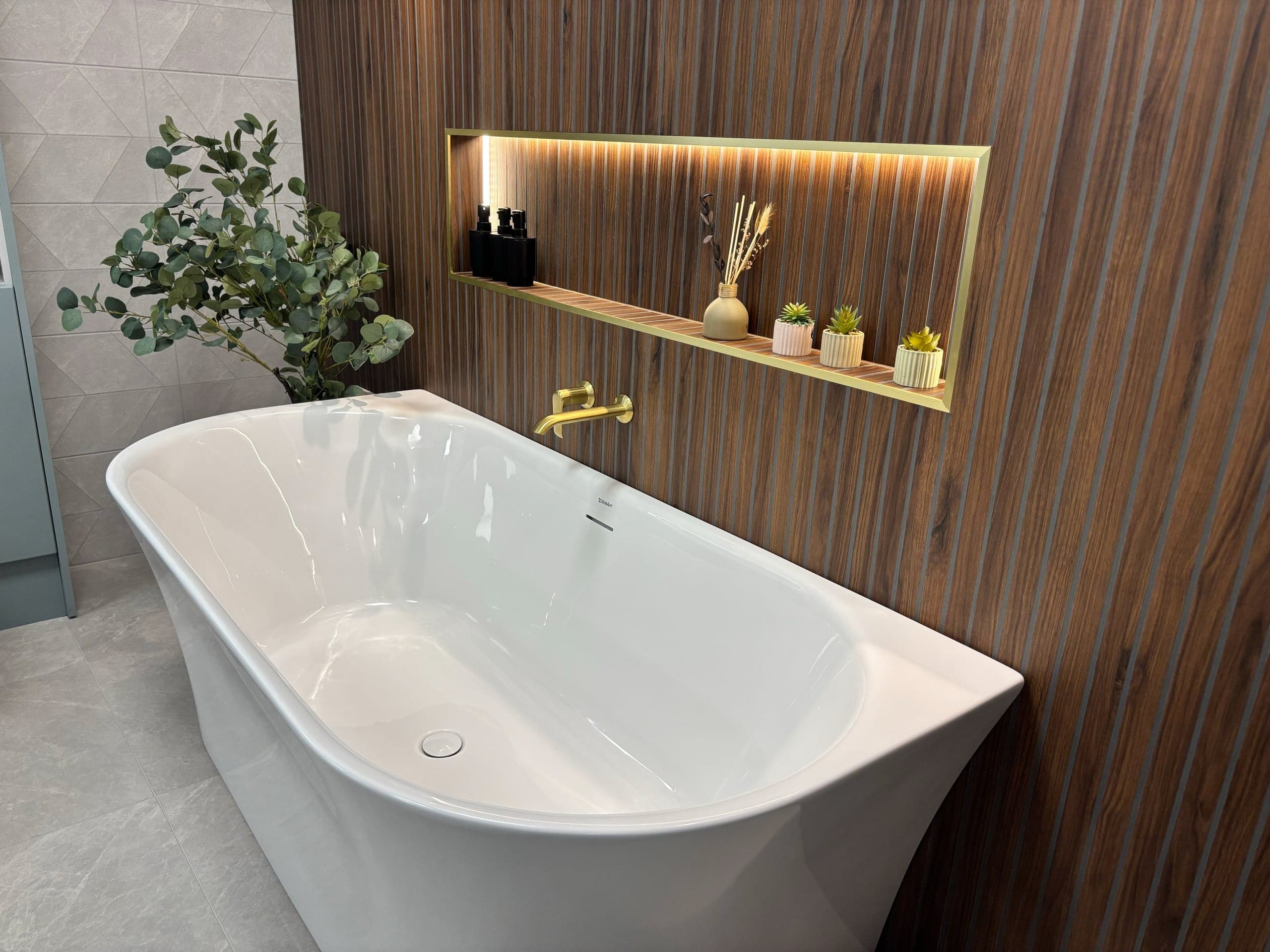
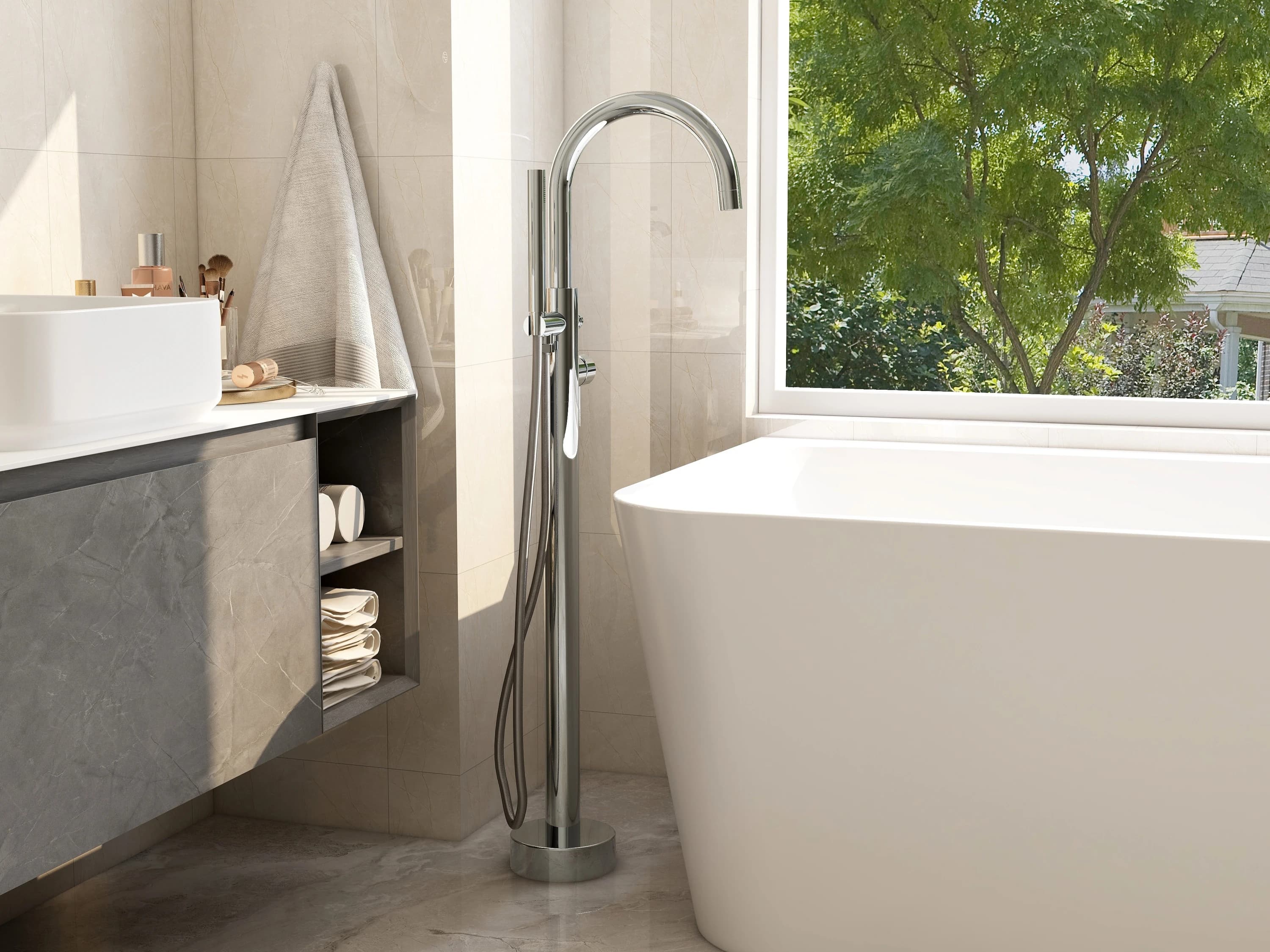
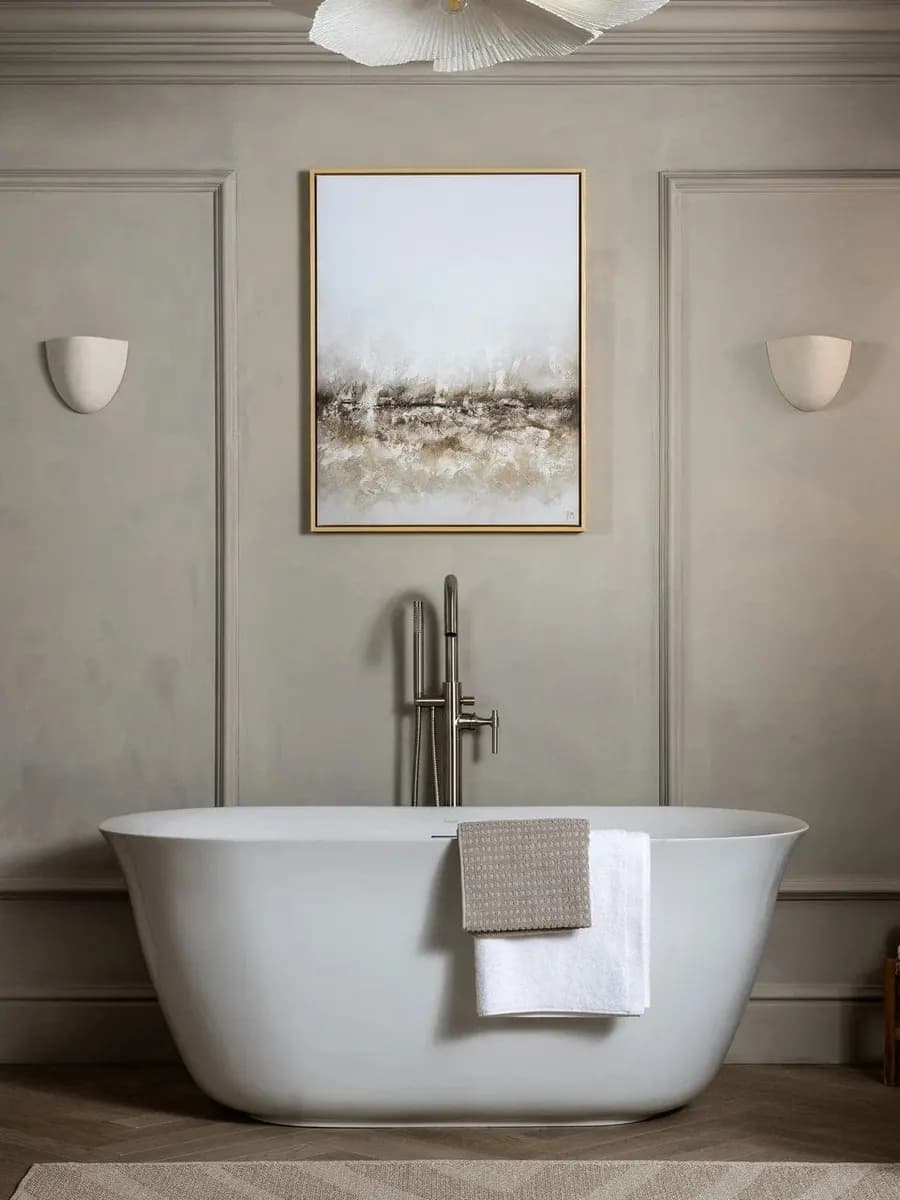
Wall mounted and floor standing taps can look striking, but they are not always straightforward to fit. Whether they are feasible depends on the existing plumbing and pipework behind the wall or floor, and in some properties it simply is not practical without significant extra work. It is worth confirming with your showroom or plumber early, before a whole design is built around a tap that cannot actually go where you have planned for it.
Water pressure decides more than people realise
Not every tap performs well on every water system, and this is one of the most overlooked parts of choosing taps. Our team's approach is to check with you whether your property has a combi boiler or an unvented cylinder, both of which typically give higher pressure. If you're unsure, often bringing in photos of your system will help our team to answer that question upfront and advise accordingly. Alternatively, if you've appointed a plumber already, they will know, or on occasions, we can visit your home to check.
Tip:
How to tell which system you have, without any plumbing knowledge
Here are some quick checks around the house you can do yourself to find the answer.
- Look for a hot water cylinder. This is usually a cylindrical tank, often in an airing cupboard. If you cannot find one anywhere in the house, and hot water starts as soon as you turn a tap on, you almost certainly have a combi boiler.
- If you do have a cylinder, check the loft for a second tank. An older style vented system has a cold water tank in the loft feeding the cylinder by gravity, which generally means lower pressure. If there is a cylinder but no tank in the loft, that points to an unvented cylinder, a sealed, pressurised system fed directly from the mains, which generally means stronger pressure.
- Listen and watch when hot water is turned on. A combi boiler will fire up instantly the moment a tap is opened, with no wait and no tank involved. A cylinder based system draws from water that has already been heated and stored, so there is no waiting for the boiler to kick in.
If any of this is unclear, a boiler service engineer or plumber can confirm it in moments, but these checks are usually enough to have an informed conversation in the showroom before choosing a tap.
Hard water areas need a different conversation
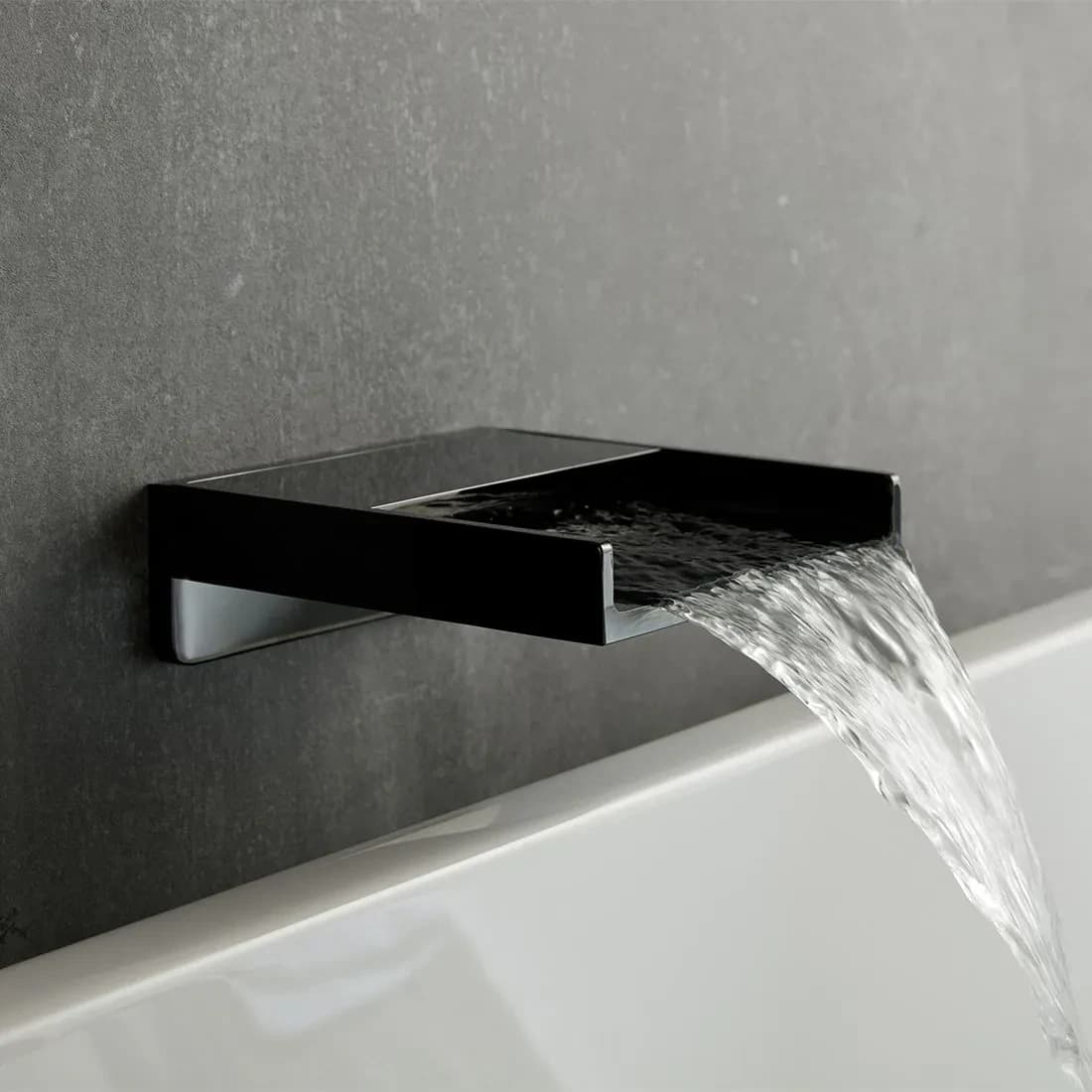
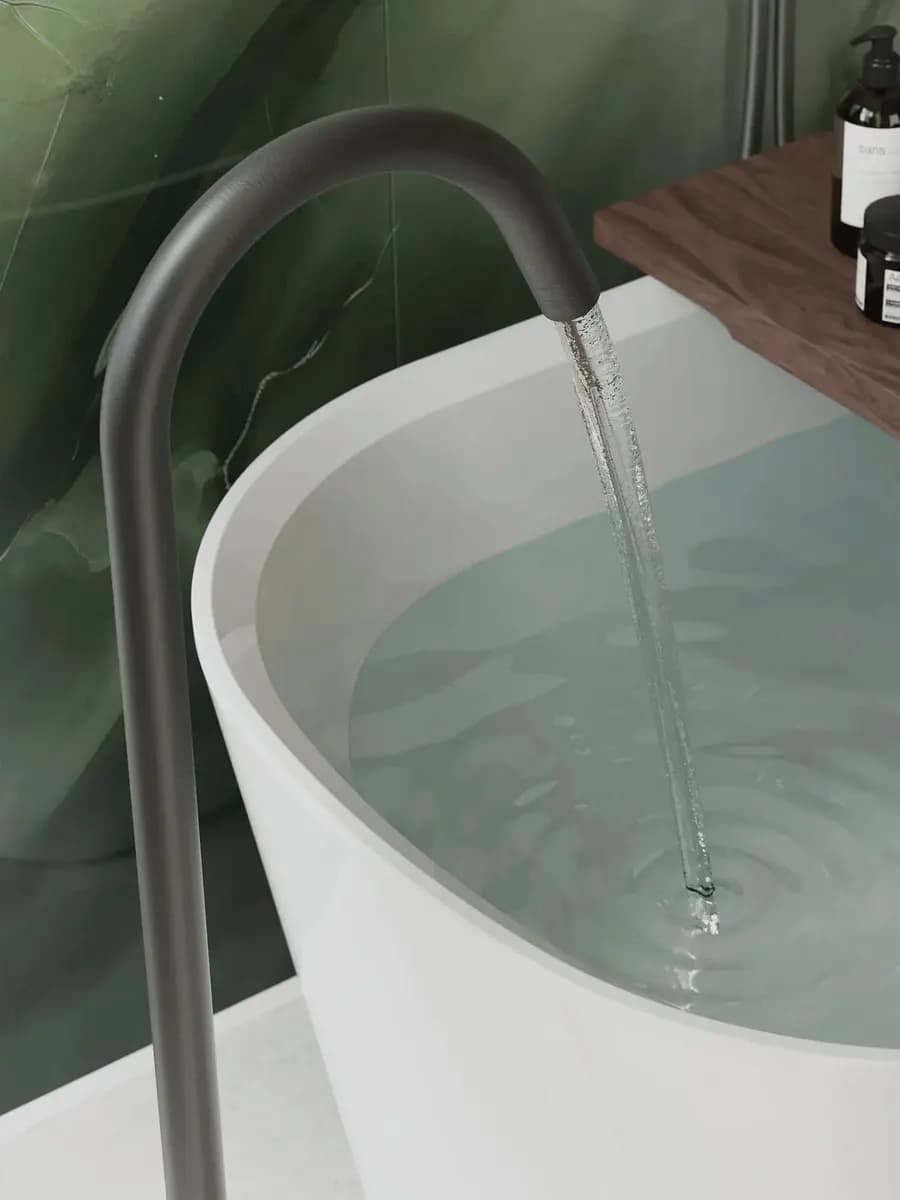
If you are in a hard water area, and much of the Midlands and South East is, this changes what is worth recommending. Waterfall taps with an open spout are a common source of regret. That open spout shows every bit of limescale build up, meaning near constant cleaning to keep it looking as good as it did on day one.
Finish matters here too. Darker finishes such as matt black and gunmetal do not attract more limescale than any other colour, but limescale is white, and white against a dark surface is instantly noticeable in a way it simply is not on chrome. Open spout designs also expose more of the brassware to standing water, which means more surface area where limescale can build up and be seen.
Ways to reduce limescale, even in a hard water area
None of this means a waterfall tap is off the table in a hard water area, it just means it is worth going in with a plan. There are a few genuine options worth considering, some tackling the water itself and some tackling the tap.
A water softener treats the water before it reaches any tap in the house, removing the minerals that cause limescale at the source. It is the most thorough option, and protects every fitting in the home, not just the bathroom, though it is also the biggest commitment in terms of cost and upkeep. Electronic or magnetic conditioners are a lighter touch alternative, fitted to the incoming pipe, that change how minerals behave in the water rather than removing them, though how consistently effective these are can vary.
For a more targeted approach, a point of use filter fitted at the tap itself can cut down on deposits without the cost of treating the whole home. Tap aerators, which mix air into the flow, reduce splashing and can help limit how much builds up around the spout. Some finishes are also now available with a protective coating designed to help water bead and run off rather than sit and dry on the surface, cutting down on visible limescale without touching the water supply at all.
| Option | Where it works | Worth knowing |
|---|---|---|
| Water softener | Treats the water before it reaches any tap in the house | The most thorough option, protecting every fitting, but the biggest commitment in cost and upkeep |
| Electronic or magnetic conditioner | Fitted to the incoming pipe | A lighter touch: changes how minerals behave rather than removing them, and results can vary |
| Point of use filter | Fitted at the tap itself | Cuts down on deposits without the cost of treating the whole home |
| Tap aerator | Mixes air into the flow | Reduces splashing and can help limit build up around the spout |
| Protective coating | On the finish of the tap | Helps water bead and run off, so less limescale is left on show |
What is worth asking before you choose, beyond how a tap looks
The team's honest advice is to ask about the quality of the tap itself, not just the finish, and to have a clear idea of your own water pressure before you shop. Both of these shape how a tap will actually perform once it is installed, far more than the finish or handle style ever will.
You can compare finishes and handle styles side by side at your nearest Pochin showroom, or browse tap ideas from the brands we stock first.
Features that look good but rarely matter day to day
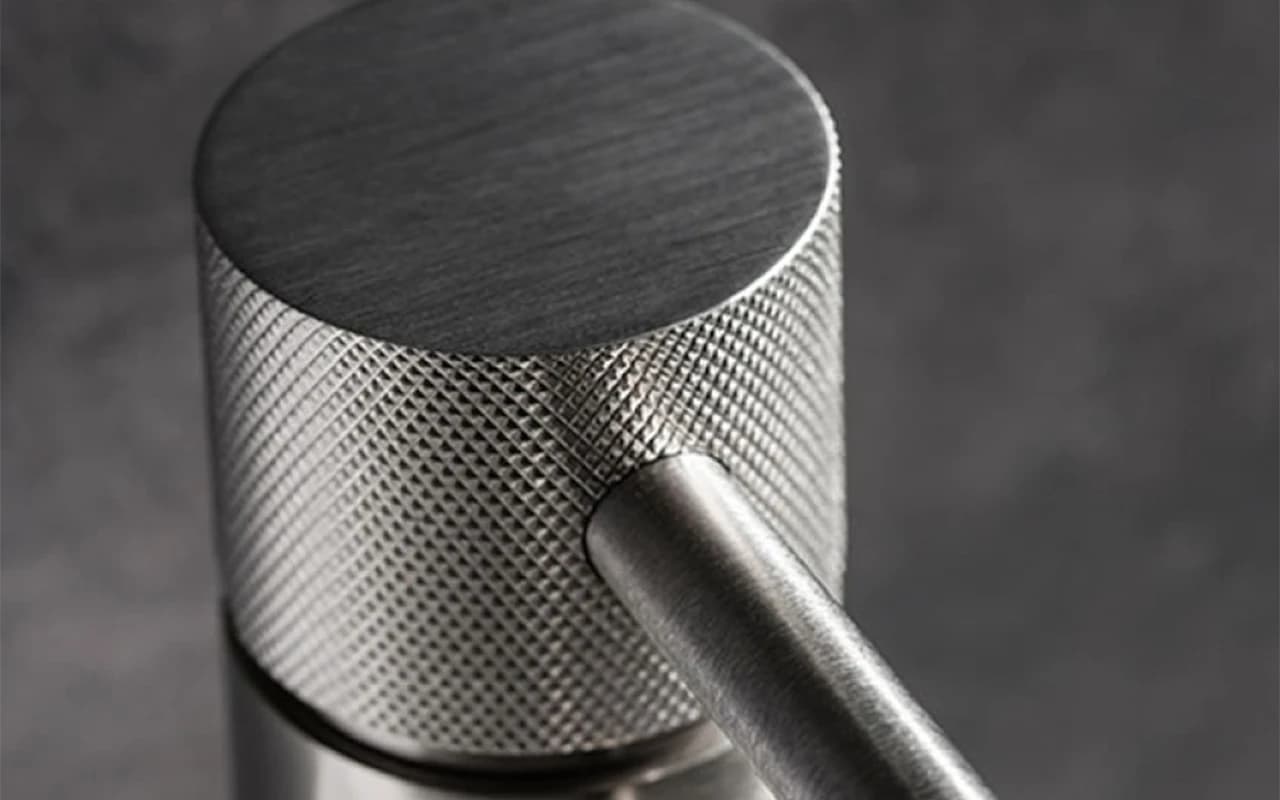
Not every upgrade is worth paying for. Decorative details like knurled texture or an unusual handle shape tend to be purely aesthetic, and make little practical difference to how a tap performs once it is fitted and in daily use. They are worth choosing if you love the look, just not worth assuming they add function they do not.
A more premium brand tends to be easier to deal with and easier to get spare parts. As we are a hard water area, an open spout will show all the limescale build up, which customers will be forever cleaning.
Quick answers
Do dark taps get more limescale than light ones?
No. Limescale forms at the same rate regardless of finish. Dark finishes such as matt black and gunmetal simply make white limescale marks far more visible, so they show it sooner and more obviously than chrome does.
Are waterfall taps a bad choice in a hard water area?
Not a bad choice, but one to go into with open eyes. The open spout design exposes more surface area to standing water, which means more visible limescale and more regular cleaning to keep it looking its best.
How do I know if my water pressure suits a particular tap?
Check whether your home has a combi boiler or an unvented cylinder, both usually mean higher pressure. If you are not sure, ask your plumber before choosing a tap, particularly for wall mounted or waterfall styles that rely on stronger pressure to perform well.
How can I tell if I have a combi boiler or an unvented cylinder?
Look for a hot water cylinder, usually in an airing cupboard. No cylinder and instant hot water points to a combi boiler. A cylinder with no tank in the loft points to an unvented cylinder. A cylinder with a tank in the loft points to an older, lower pressure vented system.
Is it worth paying more for a premium tap?
Often yes, though not for the reasons most people expect. The real benefit is in the internal mechanism, the durability of the finish, and the ease of getting spare parts or support later, rather than anything visible in the showroom.
Get inspired
Get the look
More advice from our showrooms
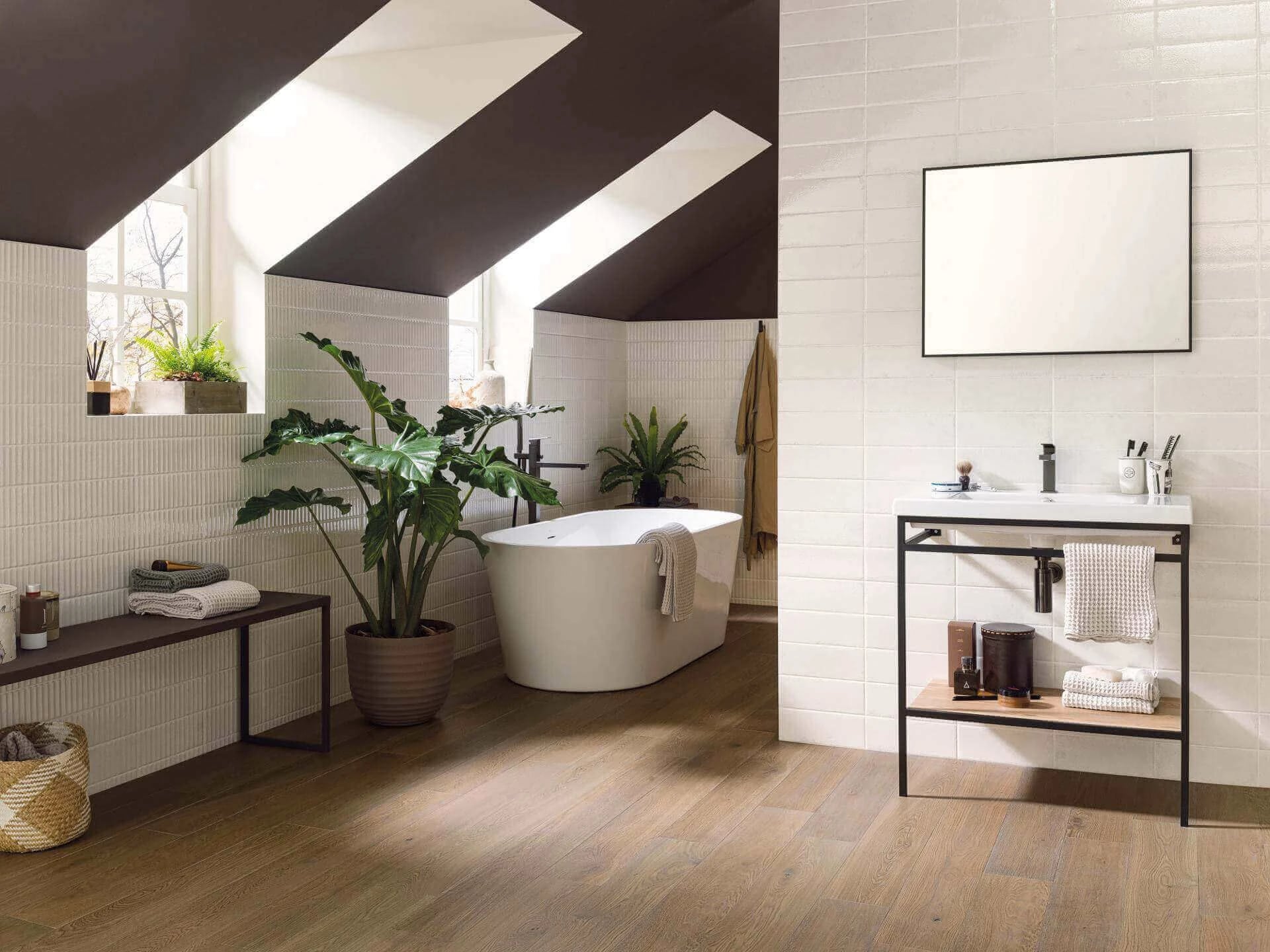
Product Guides
Bathroom tiles explained: porcelain, ceramic or natural stone
Porcelain, ceramic or natural stone? Where each tile works best, how much upkeep it needs, and how much of your bathroom really needs tiling.
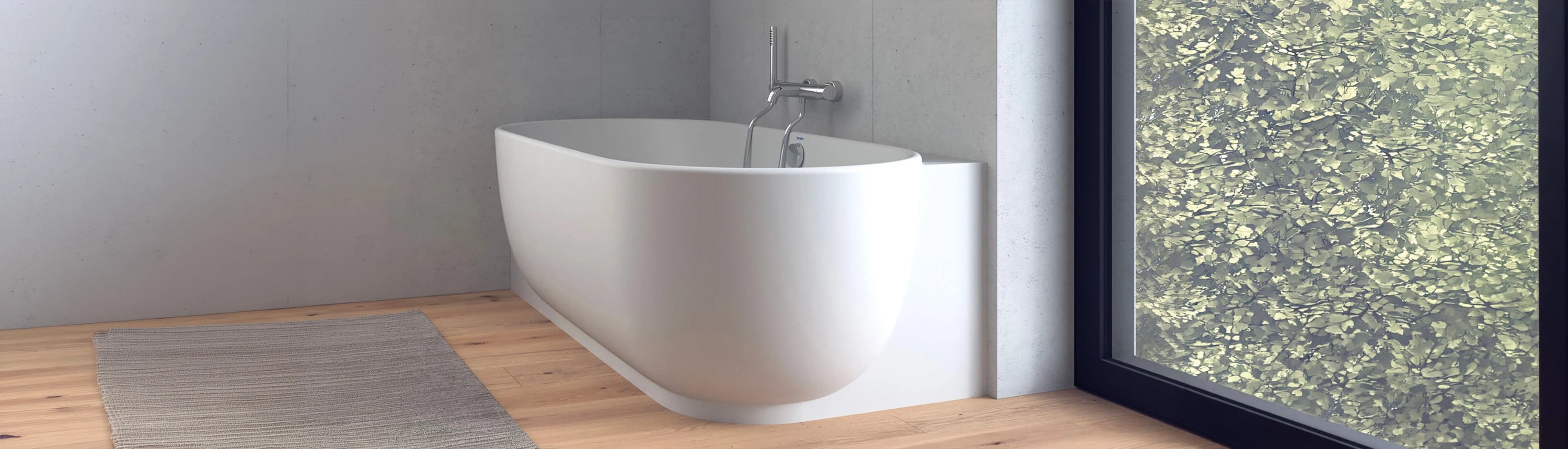
Bathroom Planning
How to choose the right size bath for a small bathroom
A bath that looks perfect in a showroom can dominate a small room. How to get the proportions right, from door swing to shapes beyond the standard rectangle.
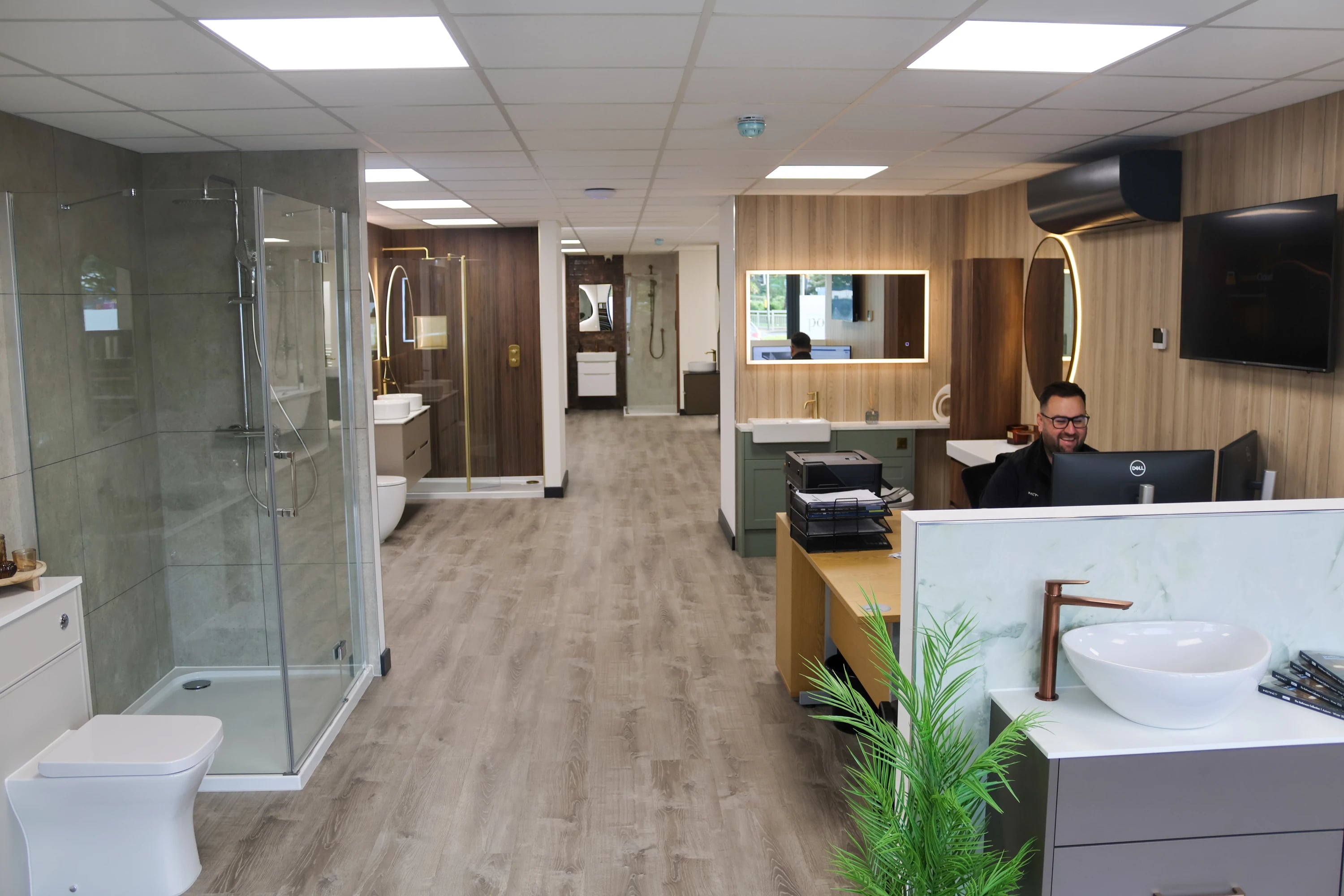
Showroom Advice
Everything we want you to feel confident about before your design appointment
Budget, quotes, timescales and who fits your bathroom: what our designers want you to know before your first bathroom design appointment.