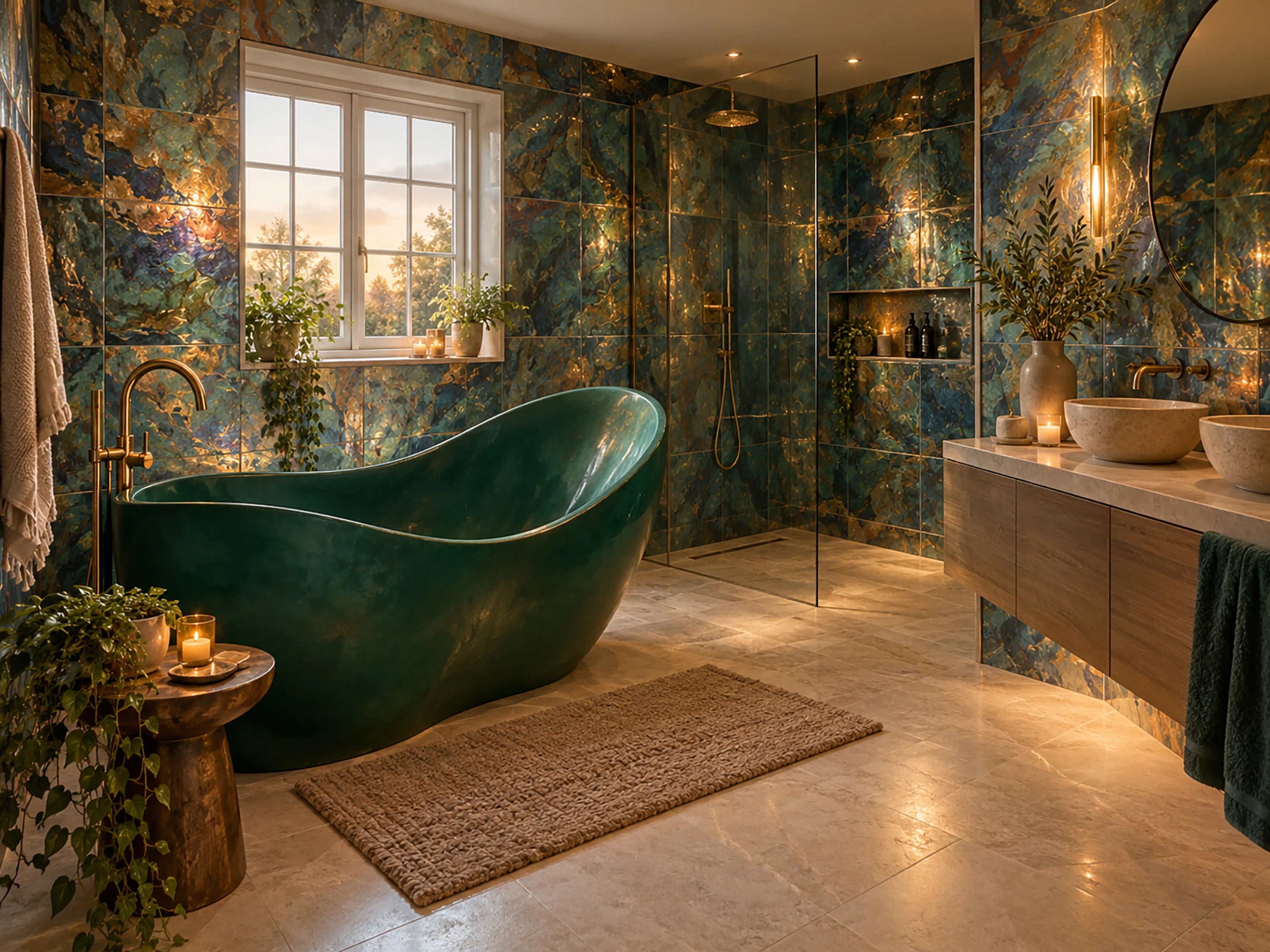
AI bathroom designs vs a real design consultation: what is the difference?
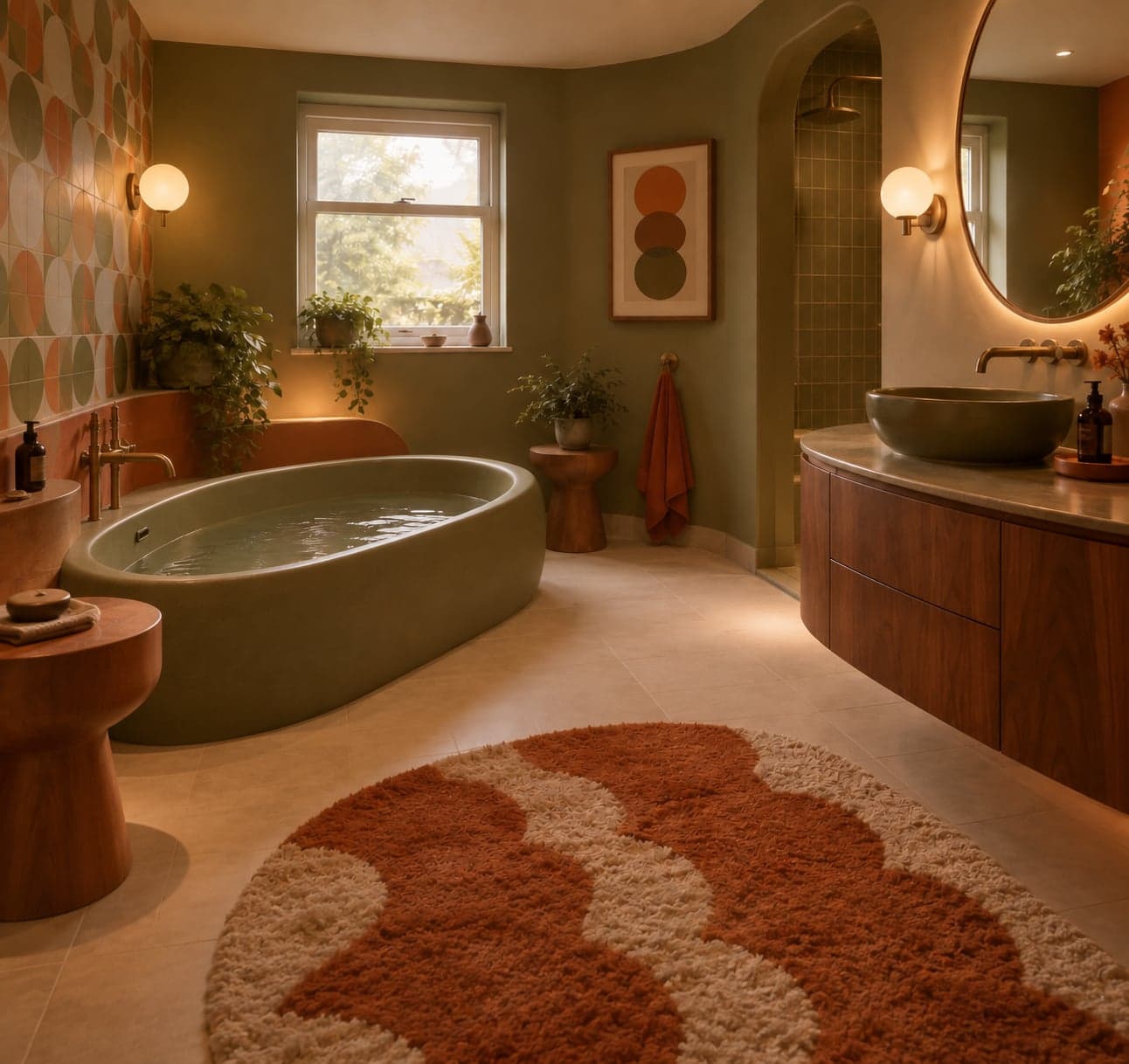
More and more customers are walking in with a bathroom image generated by AI, whether that is ChatGPT, Midjourney, Google Gemini, or a dedicated interior design app like Interior AI or RoomGPT, and it is changing the conversation happening in showrooms everywhere. An AI image can be a genuinely useful starting point, but it is not a plan you can build from. Here is what a professional design consultation adds that a generated image cannot.
A trend that keeps growing
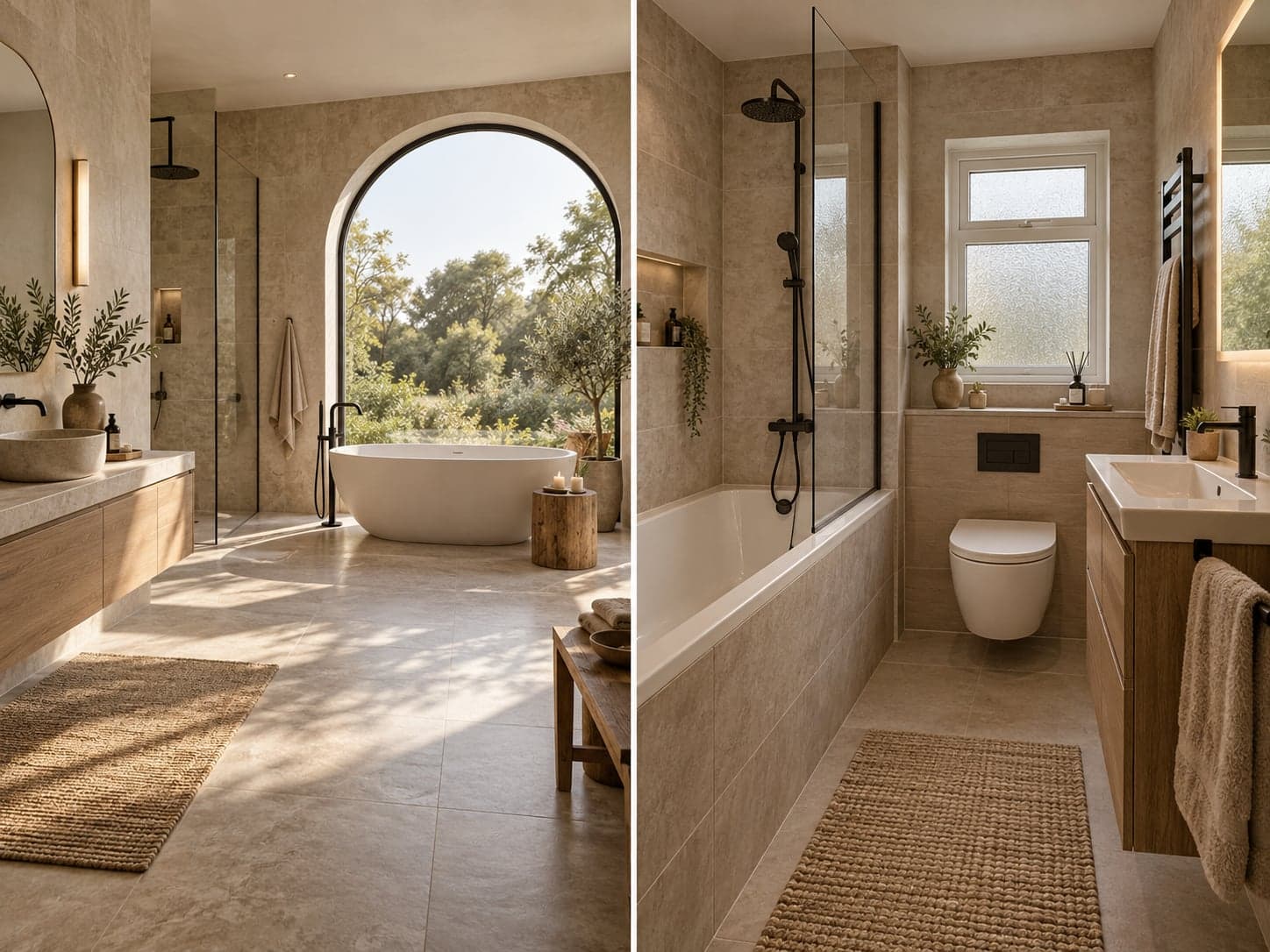
This is not a passing phase. The number of customers arriving with a self generated bathroom image keeps rising, and shows no sign of slowing down. Rather than treating it as a problem, our team's approach is to use it as a mood board rather than an actual design, a useful way to understand what a customer is drawn to before the real design work begins.
Where AI images fall short
The issue is not that AI generated images are useless, it is that they are solving a different problem than the one a bathroom actually needs solved. They are built to look good, not to work. In practice, that shows up in two consistent ways, skewed perspectives that make a space look larger or better proportioned than it really is, and products placed in positions that are simply not practical once real plumbing, walls and door swings are taken into account.
Why an AI image is a step up from Pinterest or a magazine tear sheet
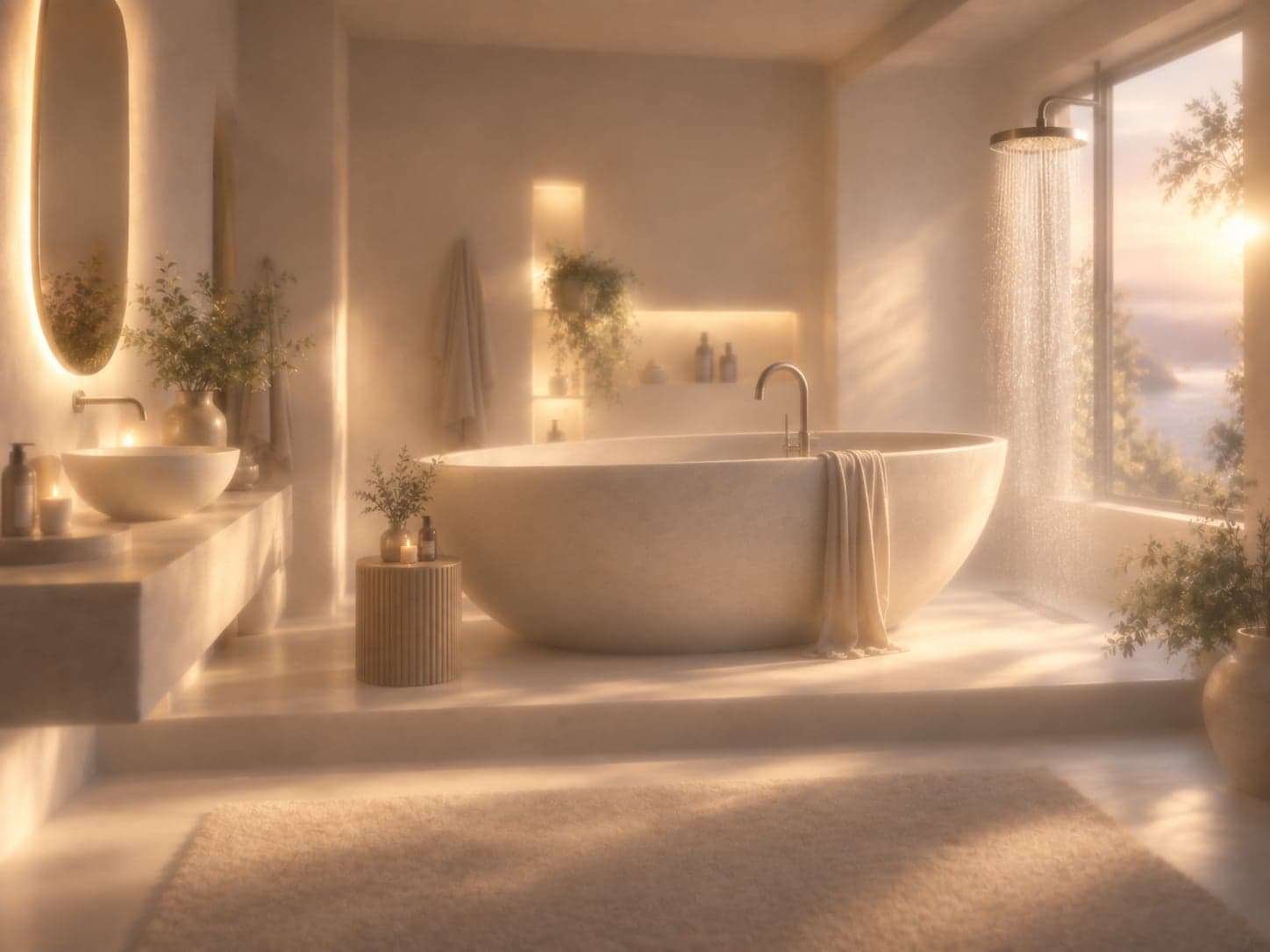
It is worth being fair to AI generated images, because in one respect they are a genuine improvement on the inspiration sources that came before them. A Pinterest board, an Instagram save, or a page torn from a magazine shows someone else's room, in someone else's proportions, with no relationship to the space actually being worked with. An AI generated image can at least be built to roughly the size and shape of the real room before any visualising happens, which gives a customer a noticeably better starting point than a beautiful photo of a bathroom that bears no relation to their own four walls.
What an AI image still cannot do is account for the products that actually exist to build that room, their real sizes, shapes, textures and colours, or the physical constraints of the space itself, where the plumbing runs, where a stud wall sits, what a door swing allows. That gap is exactly where a designer earns their place.
Turning inspiration into something that actually works
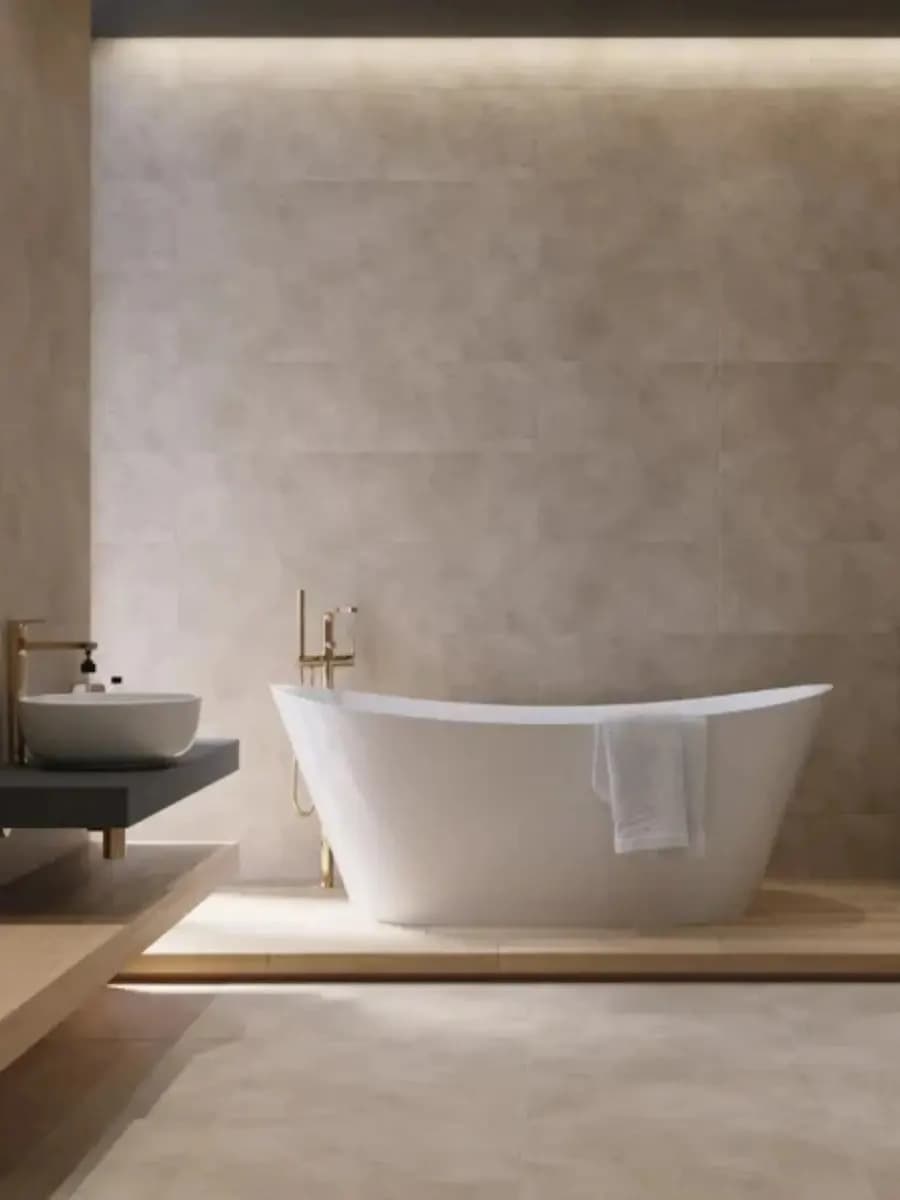
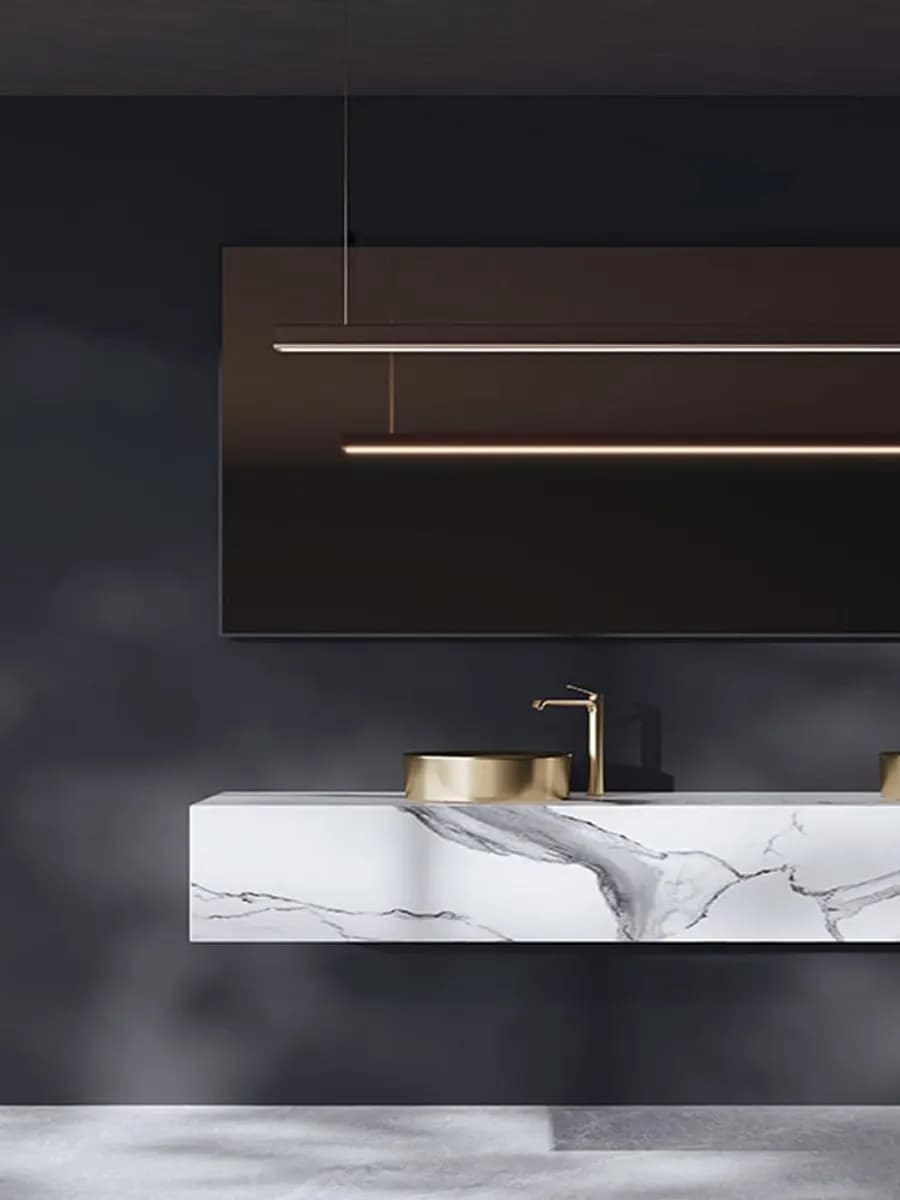
An AI generated image is not thrown away once a customer arrives with one, it is put to a specific use. Our team's approach is to take the style and colour scheme from the image and build that into a practical, functional bathroom layout, one that reflects what the customer was drawn to visually, without inheriting the layout problems the image itself never had to solve. From there, the real work begins, matching that inspiration to genuine products in similar tones, shapes and finishes, things that can actually be ordered, fitted and lived with. A designer can take the mood of an AI generated image and turn it into a real, achievable scheme, adapting product choices to fit a customer's budget along the way, so the end result still delivers the look that first caught their eye, just built from real products in a room that will genuinely work.
Why this makes the design consultation more important, not less
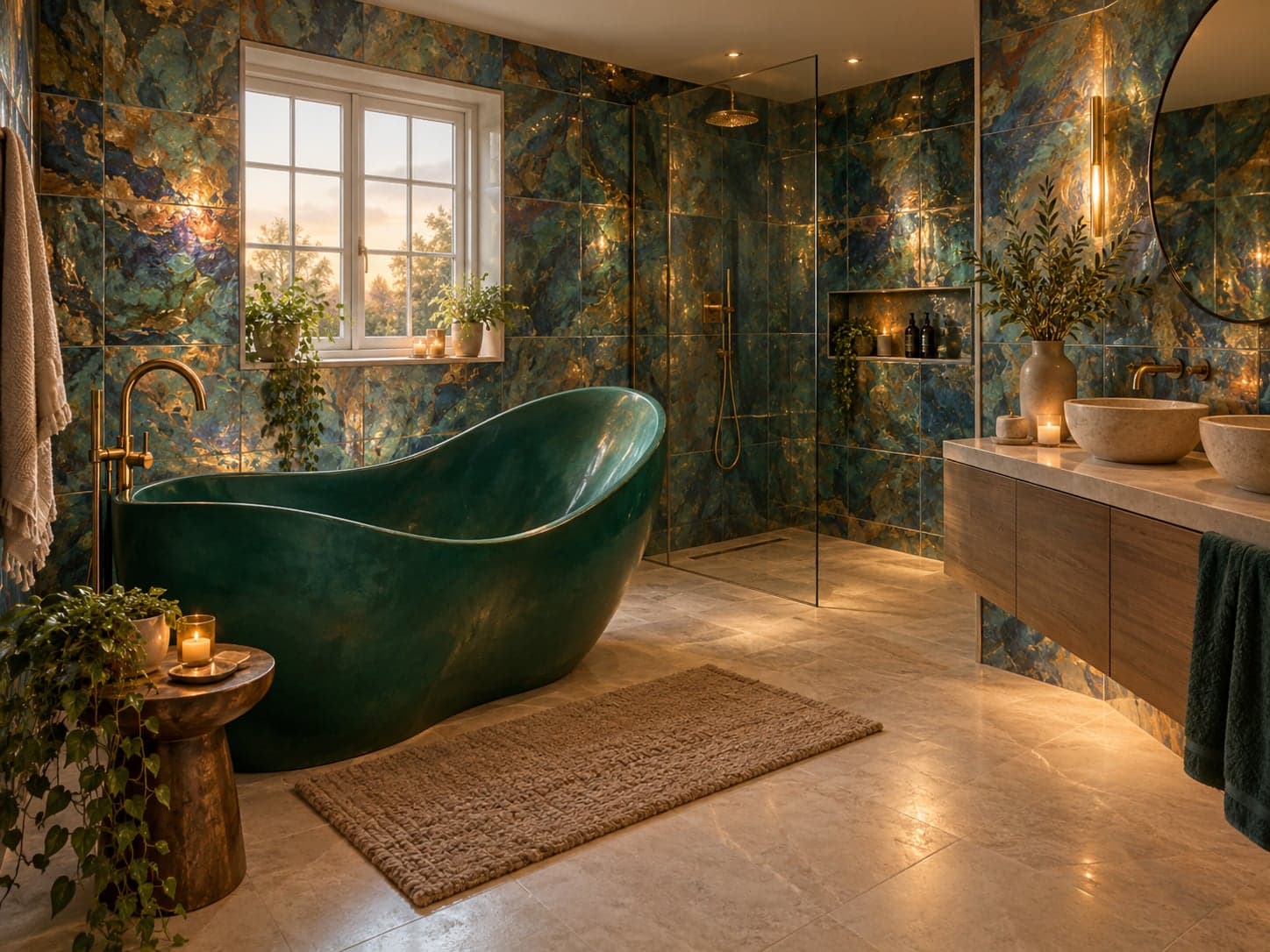
If anything, AI generated images have made the value of sitting down with a designer more important, not less. Customers who arrive with an image and then go through the full design process tend to see, in real time, how much the photo actually missed. That gap between the image and the finished plan is exactly why our team treats the photo as a mood board rather than a design in its own right, it captures a feeling, not a workable layout.
What a generated image simply cannot do
An AI image can often reflect a room's real footprint reasonably well, the position of doors, windows and the overall shape of the space, if that information has been fed into it. What it cannot do is account for the actual size, shape, texture and colour of the real products that would go into that room. The bathroom fittings shown in an AI generated image are generic, a rough impression of a bath or a basin rather than a specific product with real dimensions, so what looks like a perfect fit on screen may not be achievable with anything that actually exists once product sizes and finishes are factored in.
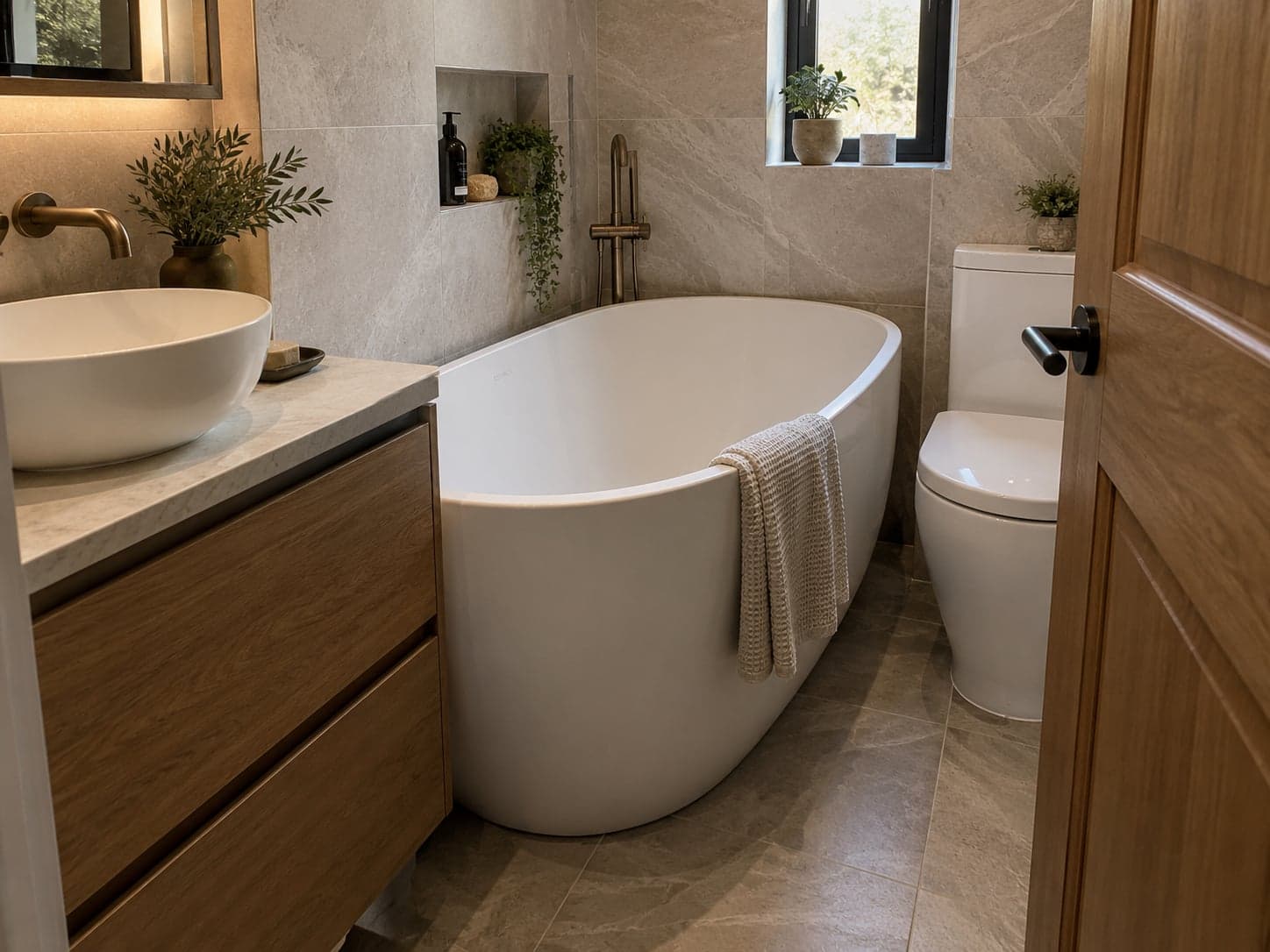
This is exactly why AI images are so useful in the right hands. Rather than something to be wary of, they can be a genuinely valuable way for a customer to narrow down what they want before they even walk through the door. A customer who arrives already clear on their preferred style, colours and overall feel makes for a shorter, more focused appointment, and a much more effective use of everyone's time, than starting that conversation entirely from scratch.
I have only personally dealt with customers using AI a few times, which has been in the last year, so I feel there will be a lot more to come. I find it does help to an extent as I try and use it as their mood board rather than an actual design. The photos aren't laid out to scale, or thoroughly thought out with plumbing, accessibility, practicality and functionality in mind, but they're great to help visualise styles, colours and schemes.
Quick answers
Should I bring an AI generated bathroom image to a design appointment?
It is definitely not a requirement but can be genuinely useful as a starting point for style, colour and overall feel. Please don't assume it will be a workable layout though and that exact product matches will exist. Your design consultant can use it as a handy resource for inspiration, but will not replicate it exactly.
Is an AI generated bathroom image better than a Pinterest board or magazine clipping?
In one important way, yes. It can be built to roughly the size and shape of your actual room, unlike a photo of someone else's bathroom. It still cannot account for real products, their sizes, textures and finishes, or the physical constraints of your space, which is where a designer takes over.
Can a designer keep to my budget if I bring in an AI generated bathroom image?
Yes. A designer's job is to translate the style and mood of the image into real, specifiable products, adjusting choices as needed to keep the overall scheme within budget while still delivering the look that inspired it.
What do AI bathroom designs usually get wrong?
Two things happen most often. First, perspective, which can often make a space look larger or better proportioned than it really is. Second, product placement, since items are often positioned in ways that are not practical once real plumbing and room layout are considered.
Are AI generated bathroom images to scale?
The room footprint can often be reasonably accurate if that information is fed in, but the products shown are generic. They do not reflect the real sizes, shapes or finishes of actual bathroom products, so a layout that looks perfect on screen may not be achievable exactly as shown.
Does a design consultation still matter if I already have an AI generated image?
Yes, arguably more than ever. A design consultation is what turns the style and mood of an image into a layout that actually accounts for plumbing, accessibility and how the room will really function.
Get inspired
Get the look
More advice from our showrooms
Showroom Advice
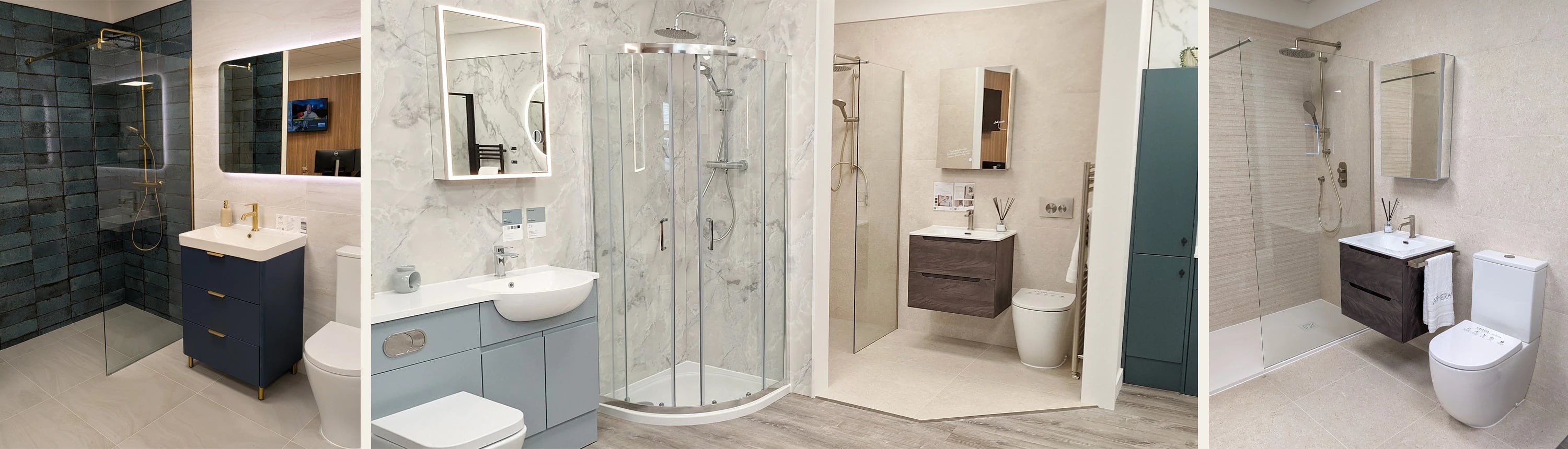
Everything we want you to feel confident about before your design appointment
Budget, quotes, timescales and who fits your bathroom: what our designers want you to know before your first bathroom design appointment.
Showroom Advice
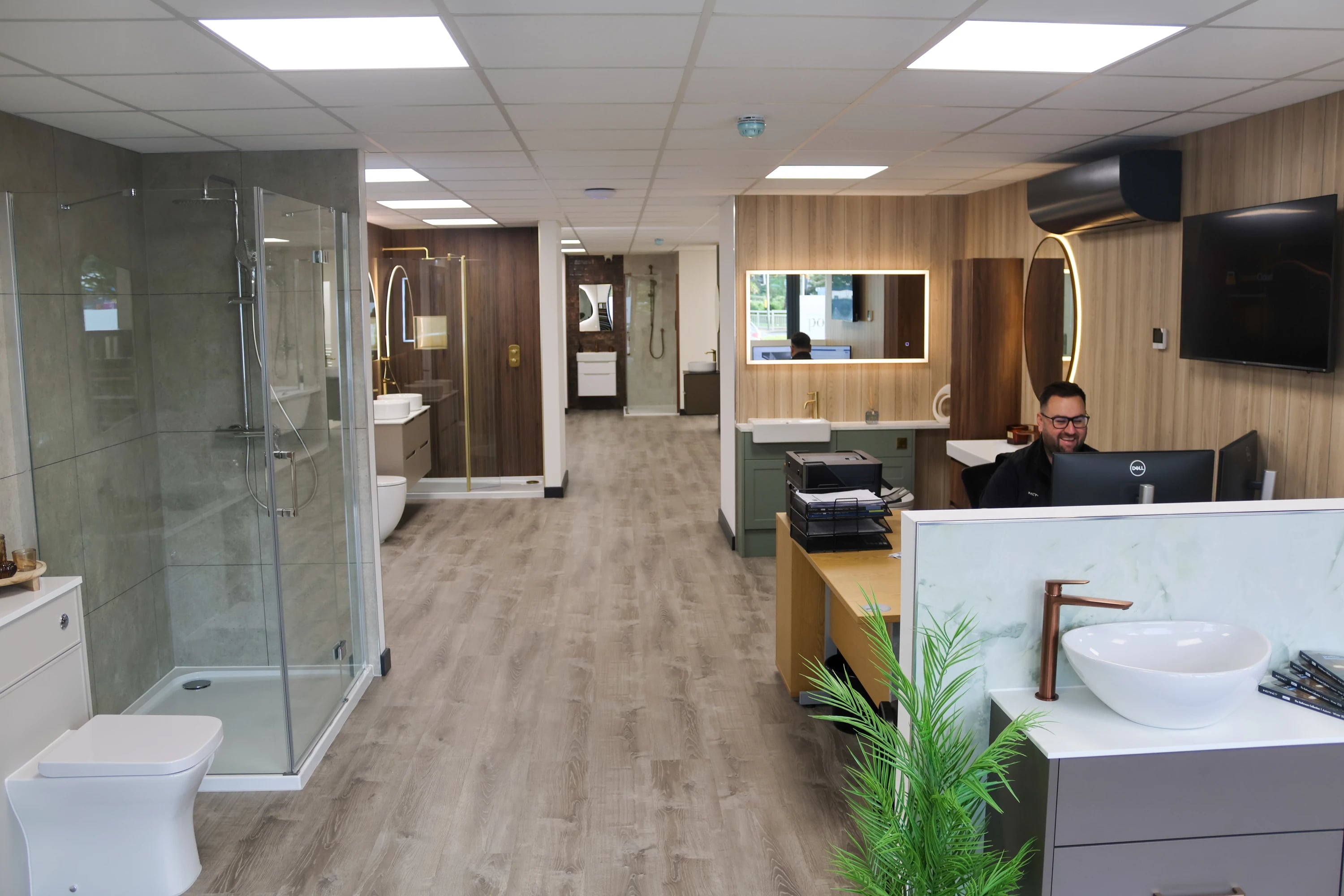
The benefits of visiting a bathroom showroom
Discover why visiting a Pochin bathroom showroom helps you plan with confidence — see products in person, get expert design advice and create your dream bathroom.
Bathroom Planning
How to choose the right size bath for a small bathroom
A bath that looks perfect in a showroom can dominate a small room. How to get the proportions right, from door swing to shapes beyond the standard rectangle.